Lost in the Digital Void: Why These Rockstar Classics Are No Longer for Sale
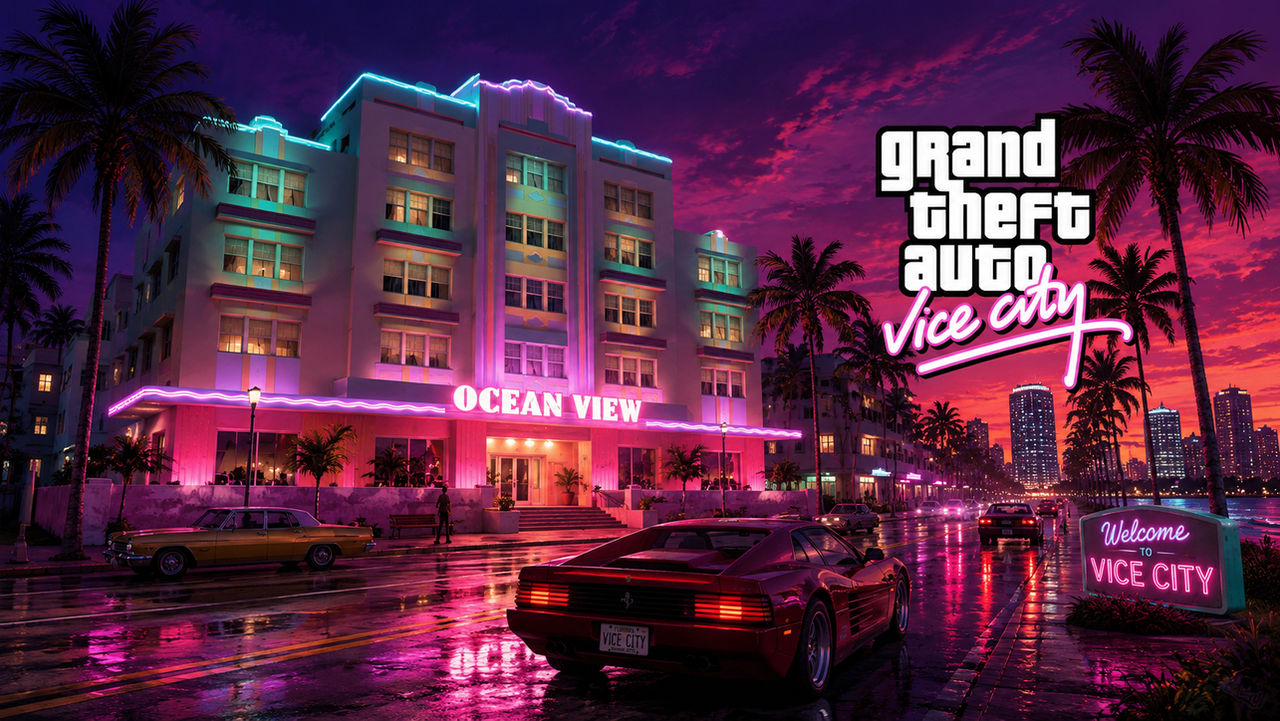
Rockstar Games occupies a unique space in the industry. For over three decades, they haven’t just released games; they’ve defined cultural touchstones. Yet, if you browse your Steam library or the Xbox digital storefront today, you’ll notice a glaring absence. Some of the most influential titles in the company’s history have been scrubbed from modern digital shelves.
This isn’t a matter of simple obsolescence. It’s a systemic issue involving shifting business models, the expiration of high-cost intellectual property, and the consolidation of digital storefronts. If you are looking to relive these experiences, the path is no longer a simple “Buy” button.
Key Takeaways: Understanding Digital Delisting
- Licensing is King: The primary reason for these removals is the expiration of music, vehicle, and personality rights, which are prohibitively expensive to renew for legacy titles.
- The “Definitive” Trap: When remastered or “Definitive” collections launch, publishers often delist original versions to consolidate consumer choice, sometimes removing superior legacy code in the process.
- The Digital Gray Market: Once a game is delisted, the only legitimate ways to play involve hunting down original physical media or finding legacy installers that haven’t been wiped from authorized, non-Steam repositories.
The GTA Trilogy: The Great Purge of 2021
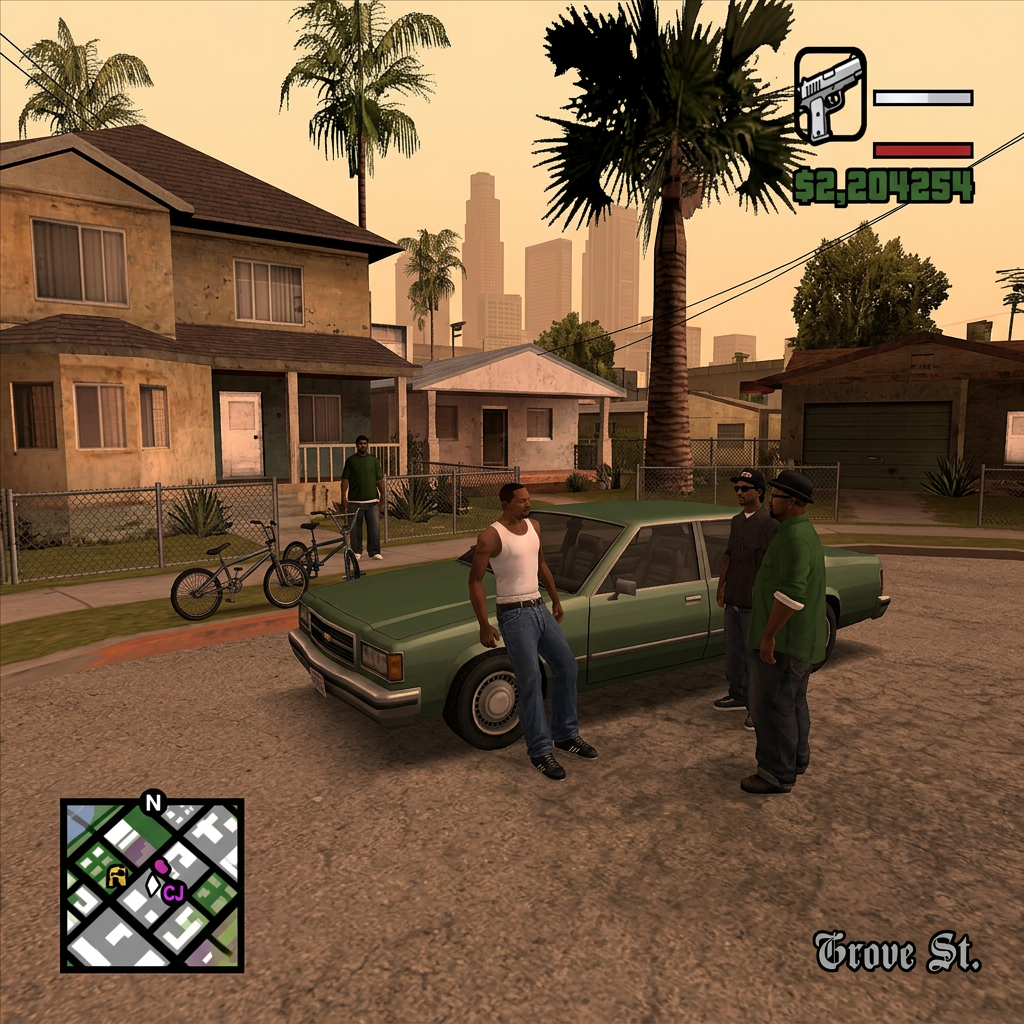
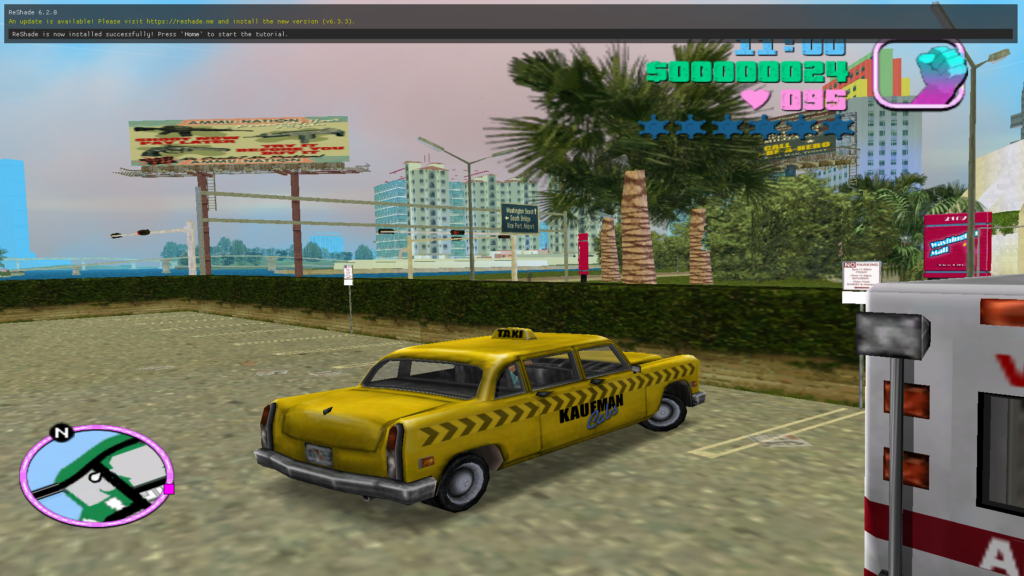
The most prominent case of digital erasure in recent memory remains the 2021 removal of the original Grand Theft Auto III, Vice City, and San Andreas. When Grand Theft Auto: The Trilogy – The Definitive Edition launched, Rockstar opted to pull the originals from Steam and other major PC storefronts.
The Conflict of Preference
For many long-term fans, this was a massive blow. The original PS2-era titles carry a specific aesthetic and mechanical feel—a “jank” that is part of their identity. While the Definitive Edition smoothed out some textures and updated controls, it also introduced lighting bugs, character model issues, and a stylistic overhaul that many purists felt stripped the games of their soul.
Can You Still Buy Them?
Technically, yes. If you navigate to the official Rockstar Games Store launcher, the original titles are still available for purchase. However, they are effectively buried. They are not indexed on modern storefronts like Steam or GOG, meaning that for the average consumer, these versions effectively do not exist.
| Title | Availability Status | Primary Removal Cause |
| GTA III (Original) | Rockstar Launcher Only | Replaced by Definitive Edition |
| GTA: Vice City (Original) | Rockstar Launcher Only | Replaced by Definitive Edition |
| GTA: San Andreas (Original) | Rockstar Launcher Only | Replaced by Definitive Edition |
Racing Into Oblivion: The Midnight Club Dilemma
If there is one genre that suffers the most from the digital “expiry date,” it is arcade racing. Games like Midnight Club 3: DUB Edition Remix and Midnight Club 2 are masterclasses in early 2000s energy, but they are also digital nightmares for rights management.
The Anatomy of a License Expiration
These games rely on three pillars of licensing that are notoriously difficult to maintain:
- Vehicle Manufactures: Every car brand featured requires a signed agreement. If the manufacturer no longer exists, or if the contract terms have lapsed, the game must be pulled.
- Soundtrack Rights: Games from the early 2000s often featured licensed radio stations. Renewing music rights for a game that sells a few thousand copies a year is rarely profitable for a massive publisher.
- DUB Magazine Branding: Midnight Club 3 specifically leaned into the custom car culture defined by DUB magazine. That partnership is a relic of its time, making a modern re-release legally tangled.
Midnight Club: L.A. Remix for the PSP suffers an even worse fate. Because it is tied to the now-defunct PlayStation Portable digital ecosystem, even users who may have legally purchased it years ago face hurdles in downloading it on modern hardware.
The Darkest Corner: Manhunt 2 and Censorship
Manhunt 2 stands apart from the racing and open-world titles on this list. Its removal wasn’t about licensing—it was about the iron grip of censorship.
When it launched in 2007, Manhunt 2 was subjected to unprecedented scrutiny by international ratings boards. Because of its visceral psychological horror and “execution” mechanics, it was banned in several countries and heavily censored in others. Unlike an open-world sandbox, the entire value proposition of Manhunt 2 is its transgressive, dark atmosphere. When that is censored, the game loses its intended impact.
Rockstar eventually stopped pushing for the digital distribution of the title, likely because the costs of maintaining a controversial product—and the logistical nightmare of managing different censored regional builds—outweighed the revenue.
Forgotten Frontiers: Wild Metal and GTA 2
Before the 3D-era explosion, Rockstar (then DMA Design) was experimenting with different perspectives and gameplay loops.
Wild Metal Country (1999)
Wild Metal Country is arguably the most forgotten piece of Rockstar’s history. It was a physics-based tank combat game. For a brief period in the mid-2000s, Rockstar actually released this game for free via their “Rockstar Classics” initiative. It was a generous move that preserved history. Eventually, that page was taken down, and the Steam version was delisted around 2013. It now exists primarily in the hands of archivists.
GTA 2 (1999)
The top-down perspective of Grand Theft Auto 2 feels like a completely different franchise to modern players. It emphasized a chaotic, punk-rock approach to crime, with high-speed taxi missions and gang rivalries. Like Wild Metal, it was once available for free, but it has since been scrubbed from official availability.
The “Stories” Problem: Vice City Stories
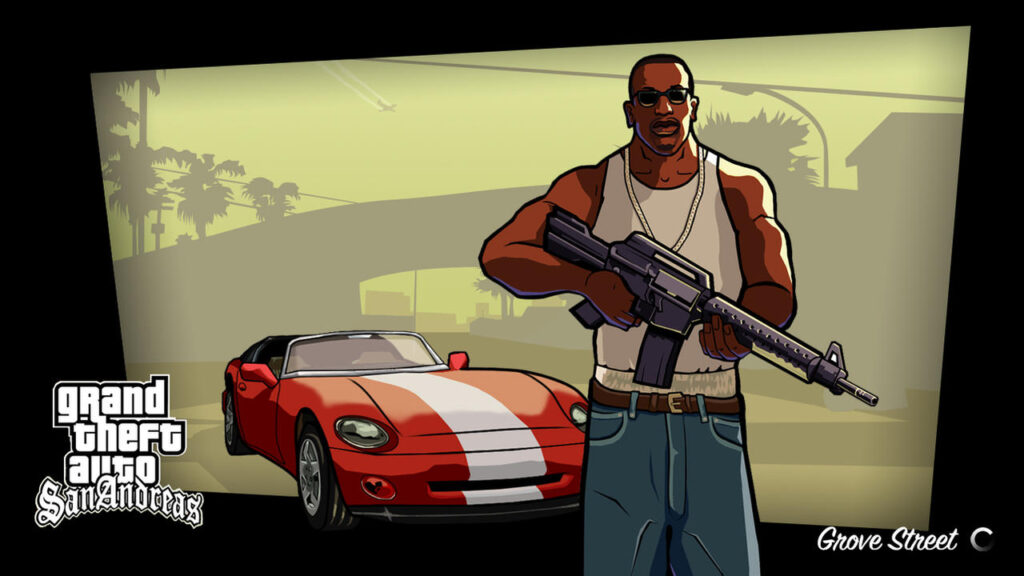
Grand Theft Auto: Vice City Stories is often cited by fans as one of the best iterations of the series. Its business-management mechanics were ahead of their time, and it perfectly captured the neon-soaked melancholy of the 1980s.
Because it was built specifically for the PSP and later ported to the PS2, it lacks a modern “PC port” foundation. Porting these older titles requires significant work to ensure they run on modern OS architecture. Without a clear path to monetization, these titles remain locked to their original hardware.
Frequently Asked Questions
Why doesn’t Rockstar just release these on Steam?
Most of these titles contain licensed music or vehicle assets that have expired. Re-negotiating hundreds of individual licenses for a legacy game is rarely a financially viable strategy for a company the size of Rockstar.
Are these games “illegal” to play now?
No. Owning and playing these games via original physical hardware or legitimate legacy digital files is perfectly legal. The “delisting” simply means the publisher has stopped facilitating the transaction, not that the software itself is prohibited.
Is emulation a viable way to experience these?
For many of these titles—especially the PSP-exclusive L.A. Remix and Vice City Stories—emulation is currently the only stable way to play them on modern high-resolution monitors. Using a legal copy of your own disc to create an image for personal use is the standard path for gaming preservationists.
Can I buy physical copies to play them?
Yes. Physical copies for the PS2, PSP, and Xbox are still widely available on secondary markets. These remain the best way to ensure permanent ownership, as they are not subject to the whim of a digital storefront’s license agreement.
Will these games ever return?
While unlikely, the “Definitive Edition” model shows that Rockstar is aware of their legacy catalog. However, until there is a major shift in how digital storefronts handle legacy licensing, these titles will likely remain in the “digital vault.”
As you look to preserve your own gaming history, consider that digital convenience often comes at the cost of permanence. The best way to ensure these experiences remain accessible is to support physical preservation and explore the legacy titles while the original hardware is still functional. Which of these titles do you feel is the most important to preserve for future generations of players?