Beyond the Hype: 10 Classic Anime You Must Watch in 2026
The current anime landscape is absolutely booming. Every single season, streaming platforms hit us with a tidal wave of flashy new releases, highly anticipated sequels, and adaptations boasting cutting-edge digital animation. It is incredibly easy to get caught up in the weekly cycle of new drops, constantly chasing the latest trending hashtag.
But if you only stick to the modern simulcast calendar, you are missing out on decades of incredible storytelling.
Anime did not just suddenly become great in the era of high-definition streaming. Groundbreaking creators have been pioneering genres, shattering storytelling boundaries, and laying down the foundational rules of modern animation since the late 1970s and 1980s. From gritty mecha space operas to hyper-realistic sports dramas, the roots of your favorite current series run deep.
The reality is that even self-proclaimed hardcore otakus have massive blind spots when it comes to vintage series. Maybe the older aspect ratios turn you off, or perhaps you assume that older stories feel dated.
That is a major misconception. The absolute best part about a genuine classic is its timeless nature. When a story is built on rich character development, brilliant pacing, and raw creative passion, it holds up just as well today as it did decades ago.
By stepping out of the current season loop and revisiting these hidden gems and legendary foundations, you will develop a much deeper, more rewarding appreciation for anime as an art form. Let us break down ten classic anime series that absolutely deserve a spot on your watchlist this year.
The Masterclass List: 10 Vintage Series Worth Your Time
+------------------------------------+------+-------------------+------------------------------------------+
| Anime Title                        | Year | Primary Genre     | Why It Stands Out Today                  |
+------------------------------------+------+-------------------+------------------------------------------+
| Super Dimension Century Orguss     | 1983 | Sci-Fi / Mecha    | Multiverse mechanics before they were cool|
| Saint Seiya: Knights of the Zodiac | 1986 | Battle Shonen     | Defined modern power systems and armor   |
| Ronin Warriors                     | 1988 | Action / Sentai   | Western crossover pioneer with dark lore |
| Slam Dunk                          | 1993 | Sports (Spokon)   | Pure, realistic basketball passion       |
| After War Gundam X                 | 1996 | Mecha / Post-Apo  | A unique, hopeful take on a broken world |
| Saiyuki                            | 2000 | Action / Fantasy  | Gritty, rock-and-roll Journey to the West|
| Scryed                             | 2001 | Sci-Fi / Action   | Ultimate rival chemistry and raw fights  |
| GetBackers                         | 2002 | Action / Mystery  | Flawless balance of comedy and dark lore |
| Zatch Bell!                        | 2003 | Battle Shonen     | Unmatched emotional stakes and tears     |
| Magical Girl Lyrical Nanoha        | 2004 | Magical Girl      | Reengineered the genre into a sci-fi epic|
+------------------------------------+------+-------------------+------------------------------------------+
1. Super Dimension Century Orguss (1983)
The Multiverse Pioneer You Have Probably Never Heard Of
Long before every major superhero franchise became obsessed with splitting timelines and jumping across dimensions, Super Dimension Century Orguss was already doing it with giant robots and intricate geopolitical stakes.
The story drops us right into the cockpit with Kei Katsuragi, a hotshot fighter pilot desperate to end a brutal, prolonged global conflict on Earth. His team devises a radical plan: detonate a highly volatile Space/Time Bomb to wipe out the enemy’s capabilities.
Naturally, things go catastrophically sideways. Instead of retreating, Kei makes the reckless, split-second decision to manually arm the device. The resulting detonation does not just blow up a base; it fractures reality itself. Kei wakes up in a bizarre future where multiple alternate Earths, diverse timelines, and entirely different intelligent species have all been violently compressed into a single, highly unstable world.
Why It Holds Up
Orguss was intentionally developed as the spiritual successor to the legendary Super Dimensional Fortress Macross. It utilized the exact same animation studio (Tokyo Movie Shinsha) and retained many of the brilliant creative minds who made Macross a global phenomenon.
While it shares that distinct, nostalgic 1980s sci-fi aesthetic—complete with gorgeous hand-drawn mechanical designs and transforming ships—Orguss takes a much more mature, experimental path. Kei is not your typical wide-eyed, morally pure hero. He is flawed, a bit arrogant, and deeply irresponsible early on, which makes his gradual growth across the series incredibly satisfying to watch.
The show strikes a brilliant balance, shifting seamlessly from lighthearted, comedic character interactions to high-stakes, mind-bending sci-fi concepts. If you want to branch out from mainstream giant robot shows and see where modern sci-fi tropes originated, this series is an absolute goldmine.
2. Saint Seiya: Knights of the Zodiac (1986)
The Blueprint for Modern Battle Shonen
If you love the high-energy training arcs of Bleach, the intricate power dynamics of Hunter x Hunter, or the wearable armor concepts of modern fantasy anime, you owe a massive debt of gratitude to Saint Seiya. Throughout the 1980s, this series stood shoulder-to-shoulder with Dragon Ball as an absolute titan of the industry, capturing the imaginations of millions of fans across Asia, Europe, and Latin America.
The premise weaves classical mythology seamlessly into a gritty urban fantasy landscape. We follow a group of fiercely loyal teenagers who have earned the prestigious title of Saints—elite mystical warriors sworn to protect the reincarnated goddess Athena.
Athena wants to shield humanity from the cruel whims of the rest of the Greek pantheon. This means these young warriors have no choice but to push their bodies and spirits past human limits to stand against actual gods.
The Power of the Cosmos
What makes Saint Seiya so deeply compelling is the brilliance of its power system, centered around the concept of “Cosmo”—the mini-universe existing inside every living being. Masami Kurumada’s original manga designs translated into an incredibly striking anime aesthetic by Toei Animation. The iconic Cloths (the sacred armor sets based on constellations) look fantastic in motion.
Every battle feels like a desperate, grand opera where the stakes are life and death, and victories are bought with absolute resolve rather than simple power-ups. With the manga continuing to expand the lore, returning to the absolute root of the franchise provides fantastic context for how the entire action genre evolved.
3. Ronin Warriors (1988)
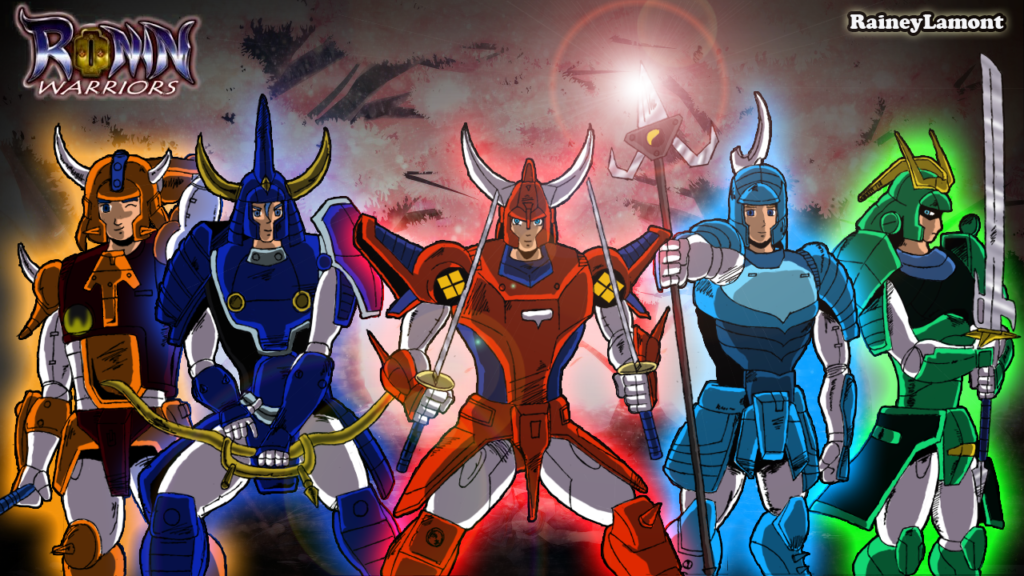
The Gateway Anime That Captured a Generation
For many anime fans who grew up glued to the television in the late 1990s and early 2000s, Ronin Warriors (originally titled Yoroiden Samurai Troopers in Japan) served as a major introduction to the medium. It arrived alongside western airings of Sailor Moon and Dragon Ball Z, offering something entirely unique to kids raised on western afternoon cartoons.
The plot kicks into high gear when Talpa, an ancient and sinister dark warlord, breaks free from his long imprisonment to conquer modern-day Tokyo. The only line of defense is a group of five teenagers, each trained in secret to inherit mystical suits of armor created from Talpa’s own original armor shell.
To defeat the dark lord, these five distinct personalities must learn to overcome their individual doubts, synthesize their elemental powers, and stand together against Talpa’s brilliant, ruthless generals.
Sentai Action Meets Deep Folklore
Ronin Warriors took the popular live-action Tokusatsu formula—think Power Rangers or Super Sentai—and completely unlocked its potential through the freedom of traditional animation. Free from the budget constraints and clunky practical suits of live-action TV, the series delivered incredibly fluid, dynamic sword fights, brilliant mystical transformations, and genuinely creepy villain designs.
Beneath the flashy battles lies a surprisingly mature narrative exploring traditional Japanese folklore, Buddhist philosophy, and the heavy psychological burden placed on young shoulders. It is a nostalgic ride that proves to be much smarter and more emotionally resonant than you might remember.
4. Slam Dunk (1993)
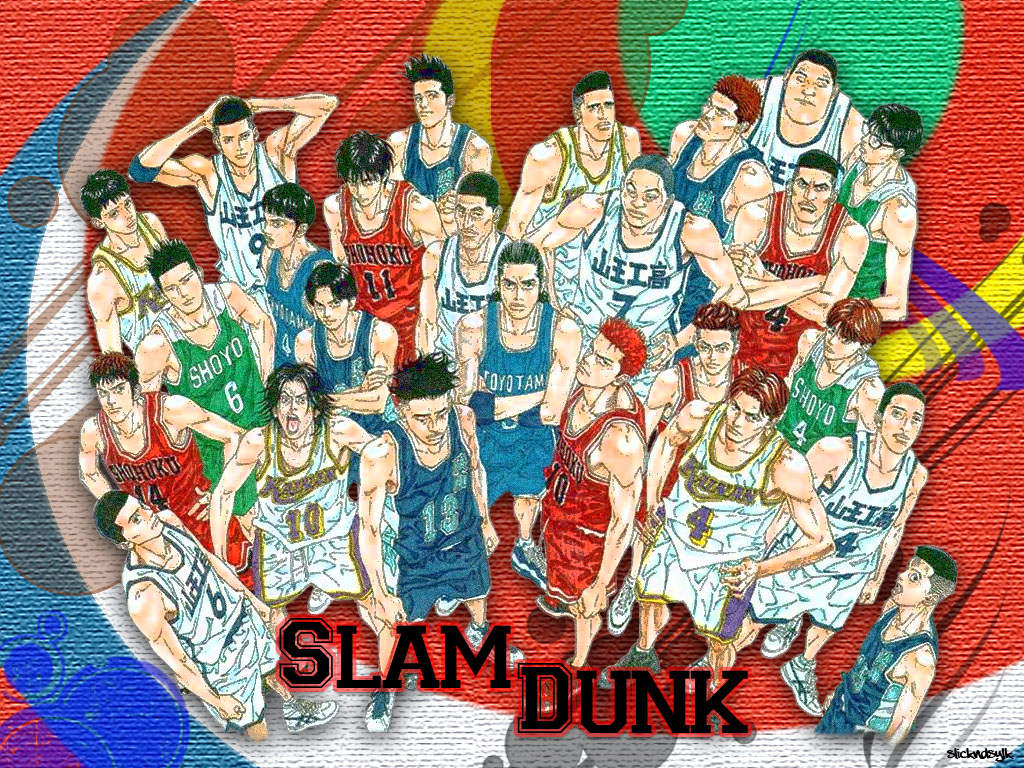
The Masterpiece That Changed Real-World Culture
It is impossible to overstate the cultural footprint of Slam Dunk. Before Takehiko Inoue’s legendary masterpiece hit the airwaves, basketball was a relatively niche sport in Japan. By the time the series concluded, millions of teenagers had picked up a basketball, schools across the country were swamped with new club sign-ups, and the series became a verified national phenomenon.
The story centers around Hanamichi Sakuragi, a notorious red-headed delinquent with a terrifying temper and a tragic record of getting rejected by every single girl he speaks to. Upon entering Shohoku High School, he meets Haruko Akagi, a girl who loves basketball and is completely unfazed by his intimidating stature.
Desperate to win her heart, Hanamichi joins the school’s basketball team despite having absolutely zero knowledge of the sport. What starts as a shallow attempt to impress a crush slowly evolves into a consuming, genuine love for the game.
+-----------------------------------------------------------------------+
|                       KEY TAKEAWAY: THE SLAM DUNK IMPACT             |
|                                                                       |
| Unlike modern sports anime that rely on flash and borderline magic,   |
| Slam Dunk succeeds on raw realism. Every sweat drop, missed free      |
| throw, and defensive rotation feels authentic. It teaches us that    |
| greatness isn't born overnight—it is built through repetitive,        |
| exhausting, and unglamorous hard work.                                |
+-----------------------------------------------------------------------+
Why it Beats Modern Sports Anime
If you are used to the stylized, superpower-adjacent abilities found in Kuroko’s Basketball, the grounded nature of Slam Dunk will be a breath of fresh air. There are no invisible passes or full-court zone shots here. Instead, Inoue focuses heavily on the grueling reality of sports: learning how to properly dribble, the exhaustion of suicide drills, and the heartbreaking agony of defeat.
Hanamichi is a fascinating protagonist because he is naturally athletic but incredibly clumsy, forcing him to learn the fundamentals from scratch. The camaraderie among the Shohoku team—a ragtag group of misfits, former delinquents, and quiet geniuses—is incredibly authentic. It is a masterclass in tension, humor, and heart.
5. After War Gundam X (1996)
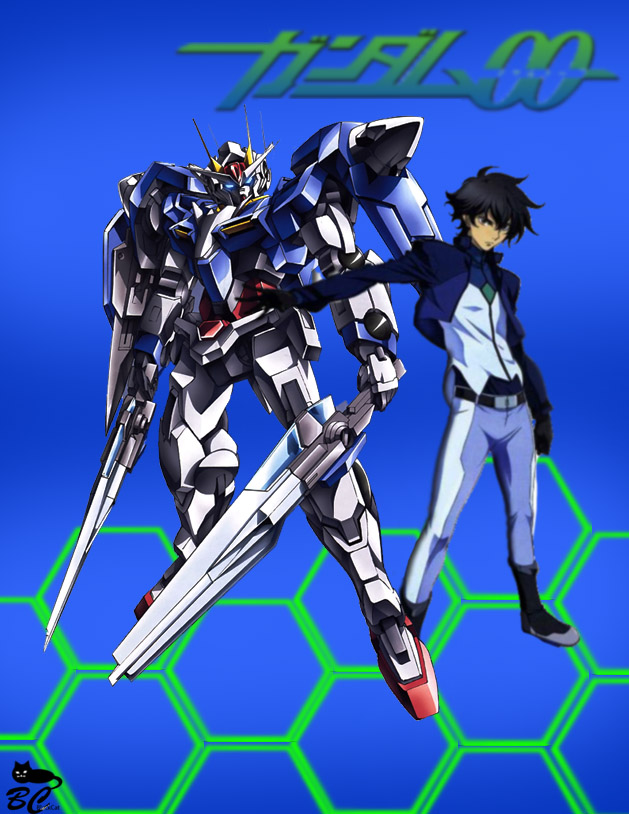
The Underrated Alternative to the Universal Century
When people discuss 1990s Gundam series, the conversation almost always revolves around the high-octane political drama of Gundam Wing or the martial arts madness of G mobile Fighter G Gundam. Regrettably, After War Gundam X is frequently left out of the conversation, which is an absolute tragedy for sci-fi enthusiasts.
Gundam X takes a completely different path from its sister series by starting after the traditional apocalyptic scenario has already occurred. The series opens in a scarred, desolate future, fifteen years after an catastrophic planetary conflict resulted in a massive Colony Drop that wiped out the vast majority of human life on Earth.
Jamil Neate, a deeply traumatized former ace pilot, captains a land-ship called the Freeden. He leads a group of scavengers known as Vultures, traveling across the ruined world to find and protect Newtypes—genetically advanced humans—from being captured and exploited as weapons by rising military factions. His mission changes forever when he crosses paths with Garrod Ran, a fiercely independent teenage thief who accidentally stumbles into the cockpit of the incredibly powerful GX-9900 Gundam X.
A Deeper Kind of Mecha Story
What makes Gundam X stand out in a massive franchise is its overwhelming sense of hope. While most Gundam entries plunge deeper into political cynicism and the cyclical horror of war, this show asks a far more profound question: How do we pick up the pieces and build a better future after the worst has already happened?
Garrod Ran is one of the most refreshing protagonists in mecha history; he lacks the brooding, existential angst of Wing’s Heero Yuy, relying instead on his street smarts, mechanical ingenuity, and sheer resourcefulness. Featuring gorgeous mobile suit designs and a deeply moving romance that serves as the emotional core of the series, Gundam X is an overlooked gem that deserves your undivided attention.
6. Saiyuki (2000)
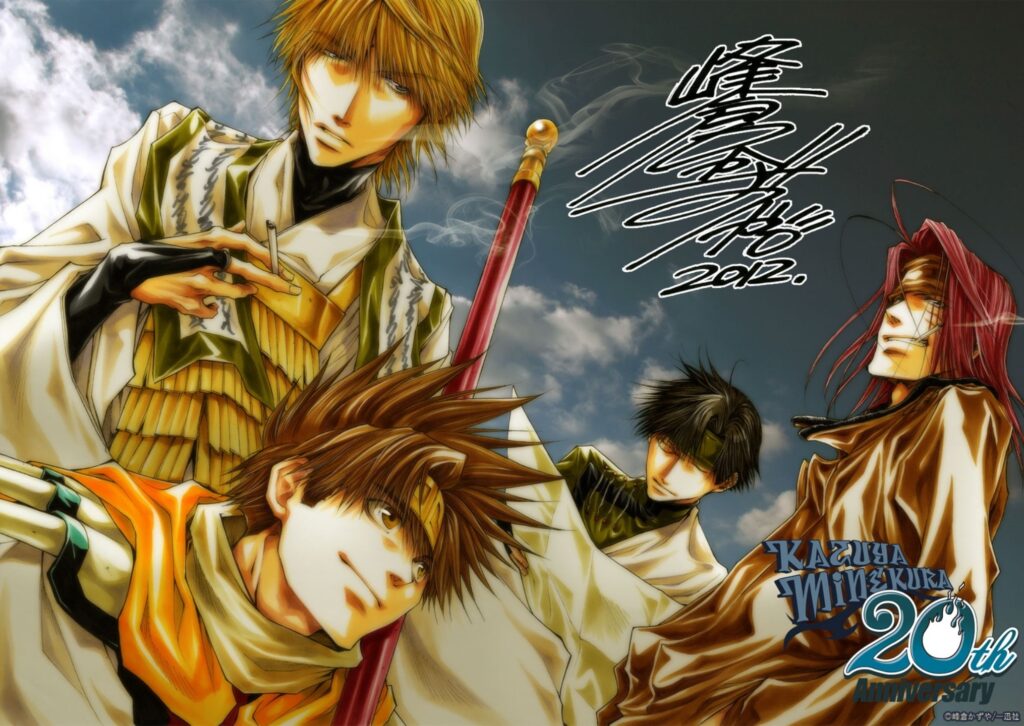
The Rock-and-Roll Reimagining of a Literary Classic
Wu Cheng’en’s classic 16th-century Chinese novel Journey to the West has been adapted into television shows, movies, and video games hundreds of times. However, no version quite matches the pure, rebellious, rock-and-roll attitude of Kazuya Minekura’s Saiyuki.
The story takes place in Shangri-La, a mystical world where humans and demons (yokai) once coexisted peacefully. This delicate balance shatters completely when a wave of chaotic, negative energy causes the yokai to lose their minds and violently slaughter their human neighbors.
To stop the slaughter, a high priest named Genjo Sanzo is ordered to travel west to prevent the resurrection of a powerful demon lord. Because the journey is incredibly dangerous, he is paired with three powerful yokai who are mysteriously immune to the madness:
- Son Goku: The energetic, perpetually hungry Monkey King.
- Cho Hakkai: A polite, deeply traumatized half-demon.
- Sha Gojyo: A smooth-talking, half-breed water demon.
A Cynical Priest and a Jeep That is Also a Dragon
Forget everything you know about holy, righteous monks. Genjo Sanzo carries a magical gun, smokes heavily, drinks beer, and will gladly beat his companions over the head with a paper fan if they annoy him.
The dynamic between these four outcasts is the real reason the show became an absolute staple of the early 2000s anime community. They constantly bicker, trade sharp insults, and claim to despise each other, yet they form an unbreakable bond when their lives are on the line. Studio Pierrot loaded the series with an incredible alt-rock soundtrack, stylized action sequences, and a surprisingly dark exploration of trauma, prejudice, and identity.
7. Scryed (2001)
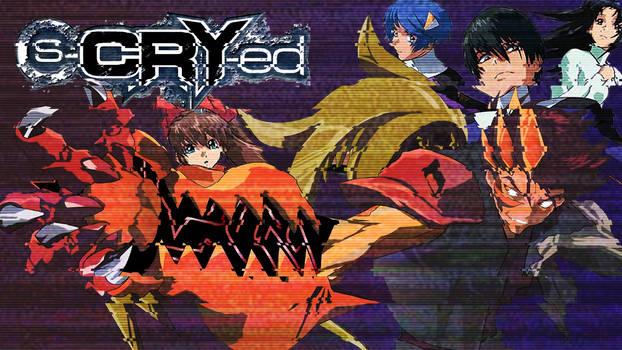
When Superhero Comics Clash With Ultimate Anime Rivalries
Imagine taking the genetic mutation discrimination themes of Marvel’s X-Men and injecting them with the explosive, environmental-destroying combat energy of Dragon Ball Z. The result of that creative experiment is Scryed (stylized as s-CRY-ed), an adrenaline-fueled sci-fi epic directed by Goro Taniguchi long before he achieved global acclaim for Code Geass.
The narrative unfolds in the aftermath of “The Great Uprising,” a violent geological event that tore a massive chunk of land away from the Japanese mainland, creating a lawless, isolated territory known as the Lost Ground. Within this harsh environment, a small percentage of children are born with “Alter” abilities—the unique power to manipulate matter and manifest personalized, supernatural weapons.
We follow Kazuma, a reckless, hot-tempered Alter mercenary who uses his metallic right arm to scrape together a living for his found family. His chaotic life is turned upside down when he runs afoul of HOLY, an elite, government-sanctioned military unit composed entirely of Alter users dedicated to bringing order to the Lost Ground through absolute force.
The Ultimate Clash of Wills
At its core, Scryed is driven by one of the absolute greatest rivalries in anime history: the ideological and physical clash between Kazuma and Ryuho, HOLY’s top enforcer. Ryuho represents cold structure, discipline, and systemic justice, while Kazuma embodies pure freedom, individuality, and raw willpower.
The show wastes very little time on long-winded monologues; instead, it allows the characters to express their core philosophies through incredibly creative, hard-hitting fistfights. The action builds consistently, culminating in a series finale that stands as one of the most pure, satisfying showdowns ever animated.
8. GetBackers (2002)
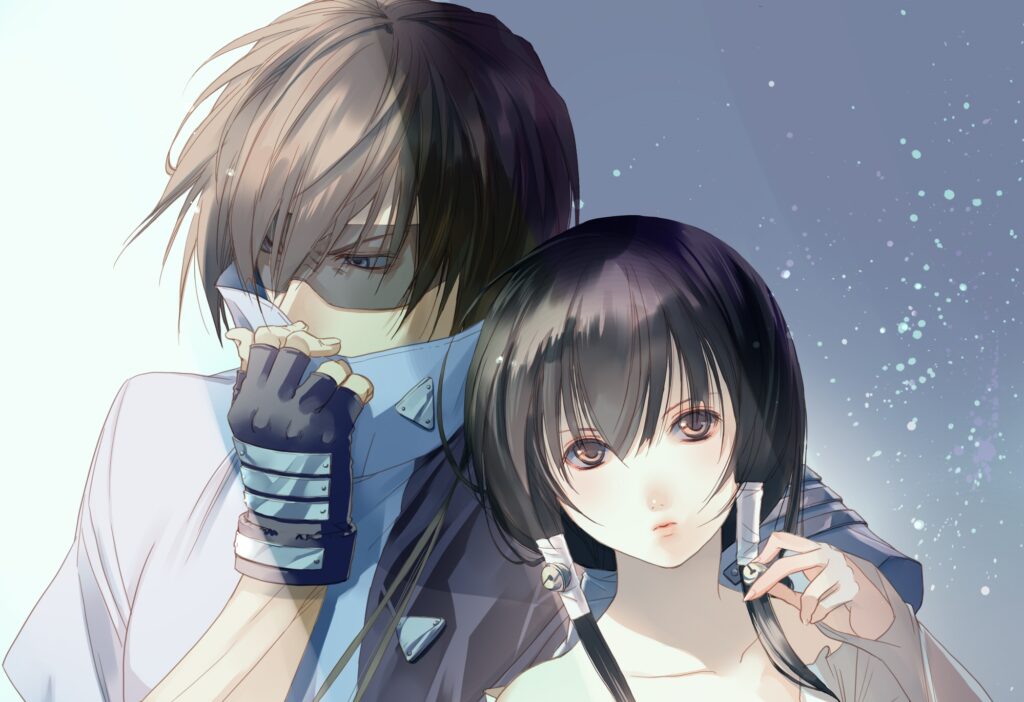
The Underrated Duo of the Shinjuku Underworld
In the early 2000s, Studio DEEN hit absolute gold with GetBackers, an adaptation of the hit manga that perfectly captured the cool, stylish, and slightly supernatural vibe of the turn of the millennium. It is a masterclass in genre-blending, transitioning effortlessly from goofy, lighthearted comedy to intense, high-stakes psychological drama.
The series follows Ban Mido and Ginji Amano, two incredibly broke young men operating a recovery service out of a booth at a local café. Their pitch is simple: if someone has stolen something from you, they will get it back, boasting a self-proclaimed 99% success rate.
While they look like total slackers who cannot even afford a decent meal, both possess terrifying abilities. Ban holds the “Evil Eye,” a hypnotic power that forces anyone who looks at him into a flawless, one-minute illusion, alongside a grip strength capable of crushing solid steel. Ginji, the former feared leader of a notorious gang in a lawless mega-structure called the Infinity Fortress, can generate thousands of volts of electricity from his body like an electric eel.
A Deep Dive into Mystery
"The world isn't just black and white; it's a massive gray area where survival means relying on the person standing next to you."What starts as a simple, episodic “case-of-the-week” series quickly evolves into a deeply complex mystery. As the duo takes on increasingly dangerous clients, the narrative pulls them right back into the dark shadows of the Infinity Fortress, forcing them to confront their dark pasts and the terrifying secrets of their own abilities.
The chemistry between Ban and Ginji is incredibly endearing—they shift from hyper-stylized chibi caricatures during comedic arguments to cold, calculating badasses the second a fight begins. With a brilliant supporting cast of eccentric mercenaries and assassins, GetBackers keeps you guessing at every single turn.
9. Zatch Bell! (2003)
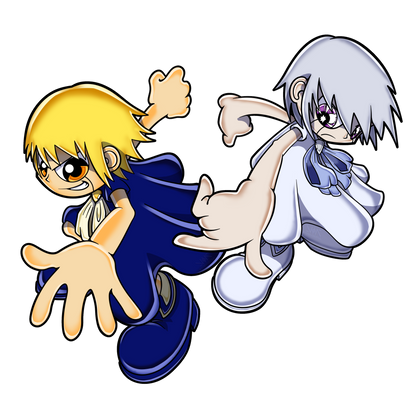
The Battle Shonen That Will Absolutely Break Your Heart
Do not let the bright colors or the slightly goofy initial premise fool you. Zatch Bell! (known as Konjiki no Gash Bell!! in Japan) features some of the most emotionally devastating, tear-jerking writing in the history of the action genre. It takes the standard tournament-style formula and injects it with an incredible amount of genuine heart and psychological stakes.
Kiyo Takamine is a brilliant, hyper-intelligent high school student who has completely checked out of society. His genius intellect makes him feel completely alienated from his classmates, driving him to skip school and look down on everyone around him.
His life changes forever when his archaeologist father sends a mysterious, amnesiac seven-year-old boy named Zatch to live with him. Kiyo quickly discovers that Zatch is a Mamodo—a magical child from another world.
Every one thousand years, one hundred Mamodo children are sent to Earth to partner with human companions who can read from their specific spellbooks. They engage in a massive battle royale until only one remains to claim the throne of the Mamodo world.
The Real Price of Victory
What sets Zatch Bell! apart from its peers is its unique take on elimination. When a Mamodo’s spellbook is burned, they do not die; instead, they are immediately forcefully returned to the Mamodo world, losing all chance of seeing their human partners again.
This dynamic creates incredibly high stakes. Every single battle is an emotional minefield. Kiyo and Zatch encounter rival pairs with deeply tragic backstories, families forced into fighting against their will, and villains driven by absolute desperation.
Watching Kiyo grow from a cold, cynical loner into a fiercely protective friend who wants to help Zatch become a “kind king” is an incredible narrative journey that will have you reaching for the tissue box more times than you care to admit.
10. Magical Girl Lyrical Nanoha (2004)
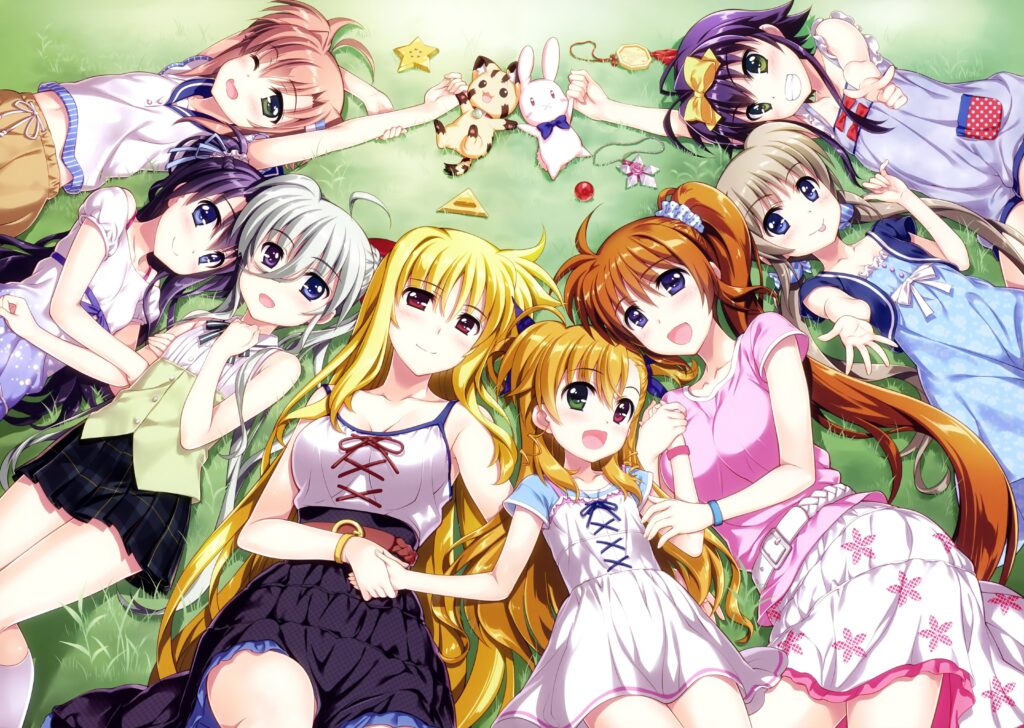
How a Spinoff Reengineered an Entire Genre
Before Puella Magi Madoka Magica arrived to shock audiences with its dark, deconstructive psychological horror, Magical Girl Lyrical Nanoha had already completely reinvented the genre by blending traditional magical girl tropes with heavy, high-tech military sci-fi and Gundam-style beam battles.
We meet Nanoha Takamachi, an ordinary, kind-hearted third-grader who rescues an injured ferret that turns out to be an alien archaeologist named Yuuno. He gives her a magical device known as Raising Heart, allowing her to transform and help him collect dangerous, reality-warping artifacts called Jewel Seeds.
The story takes a massive shift when Nanoha crosses paths with Fate Testarossa, a mysterious, cloaked magical girl executing the exact same mission for a far darker, more tragic purpose. Rather than simply fighting to destroy her rival, Nanoha resolves to use her powers to forcefully break through Fate’s emotional walls and save her from a life of isolation.
+-----------------------------------------------------------------------+
|                 GENRE CROSSOVER: MAGICAL GIRL MEETS MECHA             |
|                                                                       |
| Nanoha completely drops the whimsical, sparkly aesthetic of vintage   |
| magical girl shows. Instead, it treats magic like a highly advanced   |
| weapon system, complete with:                                         |
| * Intelligent AI voice commands in English                            |
| * Cartridge-loading mechanisms for sudden power boosts                |
| * Massive orbital bombardments that mimic mecha beam cannons          |
+-----------------------------------------------------------------------+
Why It remains a Foundational Masterpiece
Nanoha completely altered the trajectory of its genre by appealing directly to action and sci-fi fans who would typically never watch a magical girl series. The combat is loud, fast-paced, and intensely tactical. Raising Heart acts less like a fairy wand and more like an advanced, thinking AI weapon system that requires energy management and tactical upgrades.
Beneath the massive explosions and spectacular energy blasts lies a beautifully written story about empathy, communication, and the fierce lengths to which someone will go to forge a genuine friendship. It is an absolute milestone in anime history that remains incredibly influential to this day.
Frequently Asked Questions
Why should I watch older classic anime when modern animation looks so much better?
While modern digital animation is incredibly clean, older classic anime offers an unmatched level of character, grit, and historic charm. The vast majority of these classic series relied entirely on painstakingly hand-drawn cel animation. This process gives the artwork an organic texture, weight, and unique visual personality that modern digital tools struggle to replicate. Furthermore, these older series laid the storytelling foundations for the tropes, systems, and genres we enjoy today. Seeing where those ideas originated is incredibly rewarding.
Where can I legally stream these classic anime series?
Availability shifts constantly based on region and licensing agreements, but platforms like Crunchyroll, Hulu, and RetroCrush host an impressive library of vintage series. For rarer titles that are harder to track down on mainstream apps, checking dedicated physical media publishers like Discotek Media is an excellent way to secure high-quality, remastered Blu-ray releases.
Are these classic series filled with unnecessary filler episodes?
While long-running mainstream series from the 1980s and 1990s definitely featured filler arcs to give the original manga time to catch up, many of the shows on our list—like After War Gundam X, Scryed, and Magical Girl Lyrical Nanoha—are tight, highly focused, original narratives with very little down-time. Even in longer shows like Zatch Bell! or Saint Seiya, the non-manga episodes frequently offer great character development that expands the world in meaningful ways.