The End of Shikamaru’s Reign: Who is Konoha’s New Hokage?
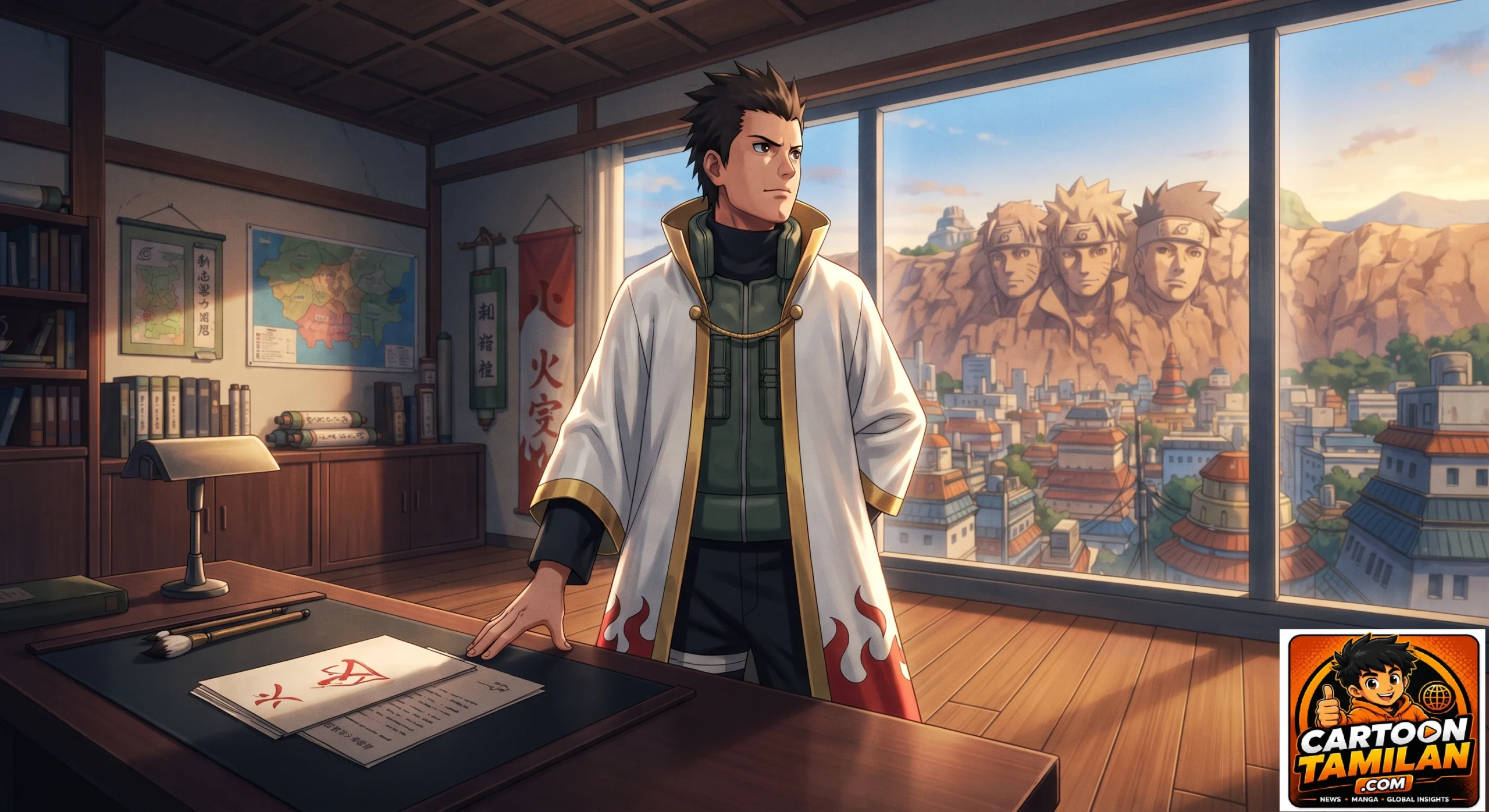
Table of Contents
- Executive Summary
- The Evolution of Konohamaru Sarutobi: From Chapter 2 to Two Blue Vortex
- Analyzing Kashin Koji’s Prescience Vision and Shikamaru’s Fall
- Why Konohamaru’s Ascension Solves Konoha’s Political Vacuum
- Power-Up Trajectory: Elevating Konohamaru to Hokage-Tier Strength
- Sarada Uchiha and the Future Line of Succession
- Troubleshooting & Narrative Pitfalls
- Frequently Asked Questions
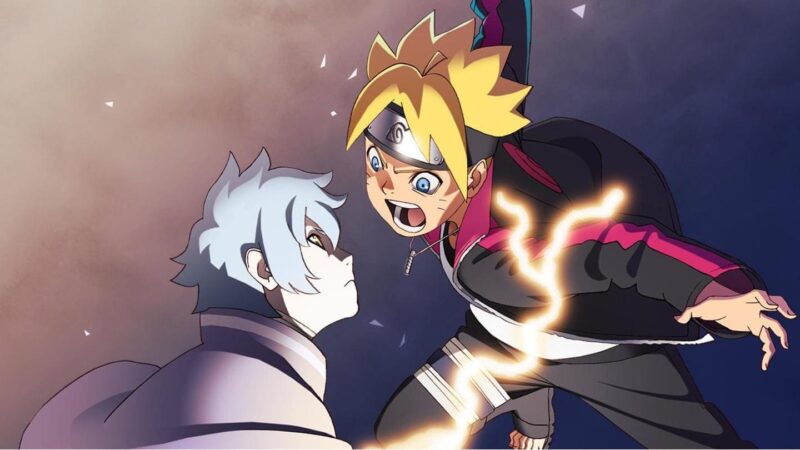
Executive Summary: Masashi Kishimoto and Mikio Ikemoto have officially set the stage for Konohamaru Sarutobi to step into the role of Konoha’s 8th Hokage in Boruto: Two Blue Vortex. Following Shikamaru Nara’s ousting due to political manipulation and pressure from Kobu during the post-Mamushi arc, Konohamaru is positioned to inherit Naruto Uzumaki’s mantle, fulfilling a promise planted all the way back in Naruto Chapter 2.
The Evolution of Konohamaru Sarutobi: From Chapter 2 to Two Blue Vortex
Back in October 1999, Naruto Chapter 2 introduced a young, rebellious Konohamaru Sarutobi struggling under the immense shadow of his grandfather, the Third Hokage. Villagers only saw him as village royalty rather than an individual shinobi. His early clashes with Naruto Uzumaki were not just comedic relief; they laid the psychological foundation for his entire character arc. Naruto taught him a hard truth: there are no shortcuts to the Hokage’s seat.
Over two decades of serialization, this dynamic transformed into a master-student bond. While Naruto achieved his dream and became the Seventh Hokage, Konohamaru dedicated his life to bridging the generational gap. However, the transition into the Boruto era left many fans frustrated with his combat scaling. Despite holding the mantle of elite Jonin, his losses against formidable threats like the Kara organization and the Shinju raised questions about his readiness.
| Era / Series | Konohamaru’s Rank | Primary Mentor / Influence | Defining Narrative Goal |
| Original Naruto | Academy Student / Genin | Naruto Uzumaki | Step out of the Sarutobi shadow and earn recognition. |
| Naruto: Shippuden | Chunin / Jonin | Naruto Uzumaki | Master the Rasengan and protect the village. |
| Boruto: Next Generations | Elite Jonin / Team 7 Leader | Naruto & Hiruzen’s Will of Fire | Guide the new generation while chasing the Hokage dream. |
| Boruto: Two Blue Vortex | 8th Hokage Candidate | Kashin Koji’s Visions / Amado | Assume leadership after Shikamaru’s political removal. |
Analyzing Kashin Koji’s Prescience Vision and Shikamaru’s Fall
The narrative catalyst for Konohamaru’s ascension unfolds in Boruto: Two Blue Vortex Chapter 36. Amado’s technical modifications to Kashin Koji’s brain waves dramatically shorten the intervals of his Prescience ability. This technological upgrade allows Koji to bypass previous limitations, peering into alternate futures with sharper precision.
Koji’s vision reveals a seismic shift in Konoha’s leadership hierarchy:
- Shikamaru Nara is stripped of his temporary Hokage status following intense interrogations by Kobu regarding alleged abetment and treasonous collaboration with Boruto Uzumaki.
- Kobu files an official dismissal report with the Land of Fire’s Daimyo, making Shikamaru’s removal an administrative certainty.
- The vision explicitly places Konohamaru Sarutobi inside the Hokage office, standing directly beside the sacred Hokage cloak.
This sequence removes the administrative bottleneck that began when Konohamaru initially rejected the permanent 8th Hokage seat for three years following Naruto’s disappearance.
Why Konohamaru’s Ascension Solves Konoha’s Political Vacuum
Konoha cannot survive a prolonged political crisis while facing external anomalies like the Shinju clones. Shikamaru’s tenure was always designed as a temporary stopgap. His tactical brilliance on the battlefield did not translate well to shielding the village from internal witch-hunts orchestrated by upper-echelon investigators like Kobu.
By stepping up, Konohamaru achieves three critical narrative objectives:
- Restoring Stability: The Hidden Leaf requires a universally respected figure with clean political standing to satisfy the Daimyo and pacify rival nations.
- Fulfilling the Promise: It honors the pact made in Chapter 2, proving that Konohamaru earned his position through merit, struggle, and endurance.
- Closing the Three-Year Rejection: It remedies the vulnerability caused by his multi-year refusal of the office, solidifying a permanent chain of command.
Power-Up Trajectory: Elevating Konohamaru to Hokage-Tier Strength

Handing Konohamaru the hat forces the creative team to address his power scaling. Historically, every seated Hokage—from Hashirama to Naruto—possesses overwhelming combat dominance. For Konohamaru to stand against god-tier threats like Jura and Hidari, he requires a substantial narrative buff.
Writers can explore several technical pathways to scale his power:
- Perfected Sage Mode: Given his affinity with Mount Myoboku summoning contracts and his deep connection to Naruto’s legacy, unlocking an advanced form of Sage Mode would instantly bridge the gap.
- Expanding Sarutobi Clan Jutsu: Integrating advanced Fire Style and Sealing Jutsu unique to the historic Sarutobi lineage, similar to the feats displayed by Hiruzen.
- Scientific Ninja Tool Integration: Utilizing cutting-edge upgrades supplied by Amado or Katasuke to offset biological limitations against Otsutsuki-level entities.
Sarada Uchiha and the Future Line of Succession
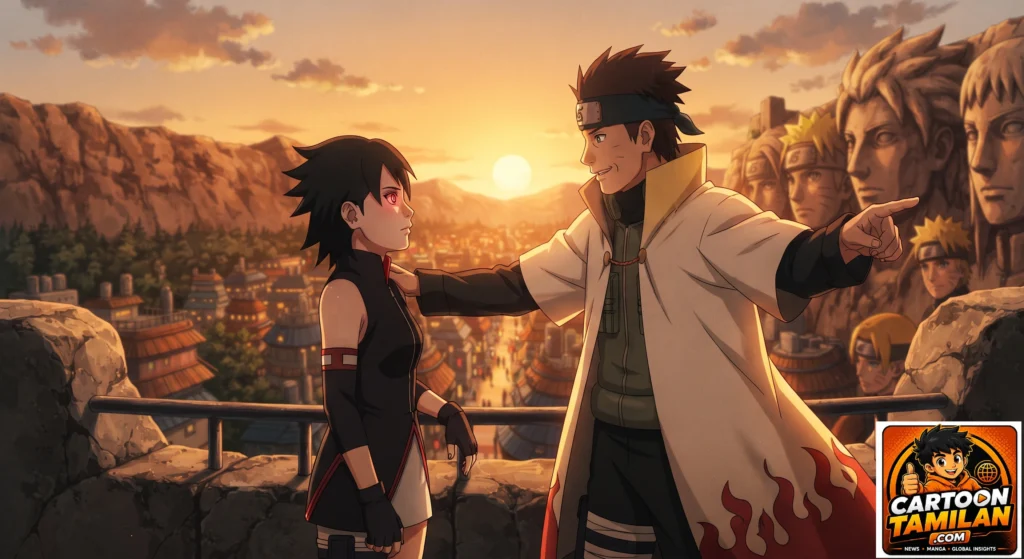
Konohamaru’s run as the Eighth Hokage is structurally designed to be a bridge. As established in Boruto: Naruto Next Generations Chapter 11, Sarada Uchiha’s ultimate ambition is to claim the hat herself.
Placing Konohamaru in the seat first creates a realistic generational progression. Sarada, currently developing her Mangekyo Sharingan and mastering elite tactical skills under Sasuke and Boruto’s indirect influence, needs time to mature politically and combat-wise. Konohamaru acts as the stabilizing pillar, protecting the village and nurturing the next wave of shinobi until Sarada is ready to inherit the Will of Fire as the Ninth Hokage.
Troubleshooting & Narrative Pitfalls
| Potential Pitfall | Why It Fails | The Correct Narrative Fix |
| Abrupt Power Scaling | Giving Konohamaru instant god-like powers without training feels unearned to readers. | Frame his power-up through tactical intelligence, rare clan techniques, or a mentored awakening over the course of an arc. |
| Sidelining Shikamaru | Completely writing out Shikamaru diminishes his decades-long strategic value to Konoha. | Transition Shikamaru back into his natural habitat as chief advisor and master strategist to the new Hokage. |
| Rushing the Succession | Forcing the hat onto Konohamaru mid-battle without political framing undermines world-building. | Utilize Koji’s visions and the Daimyo’s administrative decree to make the transition legally and politically airtight. |
Frequently Asked Questions
When does Konohamaru become the Hokage in Boruto: Two Blue Vortex?
Konohamaru is heavily foreshadowed to take office following Shikamaru Nara’s ousting, which was triggered in Chapter 36 released on July 20, 2026. His formal ascension is expected to conclude the post-Mamushi story arc.
Why is Shikamaru being removed as the temporary Hokage?
Kobu accuses Shikamaru of treason and abetting a fugitive for allegedly conspiring with Boruto Uzumaki. Kobu submitted an official removal report to the Daimyo of the Land of Fire, forcing Shikamaru’s dismissal.
Did Konohamaru previously reject the Hokage position?
Yes. Chapter 14 revealed that Konohamaru rejected the permanent 8th Hokage position for three years, which inadvertently created political vulnerability within the Hidden Leaf village and among rival nations.
Will Sarada Uchiha still become the Hokage?
Yes. Sarada remains on track to become a future Hokage. Konohamaru’s term serves as a transitional bridge, preparing the village and allowing Sarada time to grow into the leadership role.
Where can I read the latest Boruto: Two Blue Vortex chapters?
All current chapters written under the supervision of Masashi Kishimoto and illustrated by Mikio Ikemoto are available officially via Viz Media and Manga Plus.