It’s Official, Netflix’s New Disney Reboot Is the Fantasy Movie Event of the Year 2026
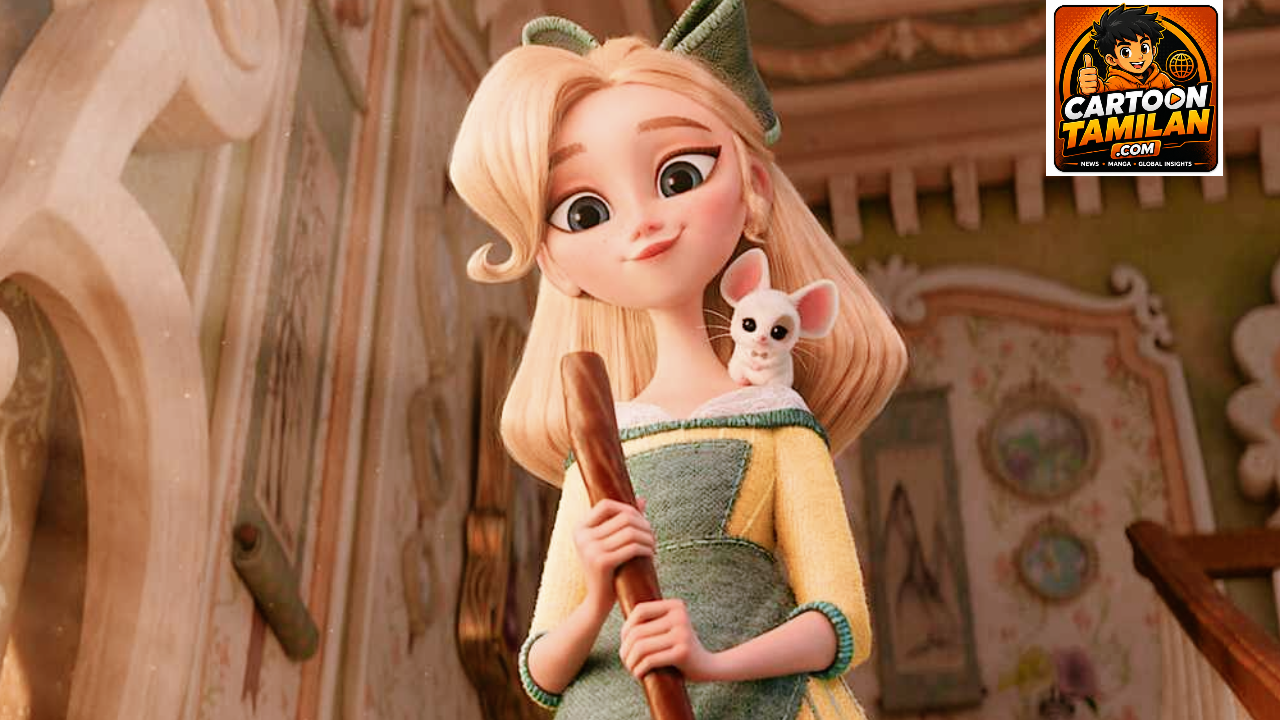
Why Netflix’s ‘Steps’ Will Completely Redefine the Cinderella Fantasy in 2026
Table of Contents
- Introduction
- Breaking Down the “Anti-Cinderella” Concept
- A Misunderstood Antagonist’s Perspective
- The Star-Studded Voice Cast and Creative Architects
- Magical Mechanics: How Lilith Breaks the Fairy Tale
- Troubleshooting: Managing Expectations for Fairy Tale Subversions
- Frequently Asked Questions (FAQ)
Introduction
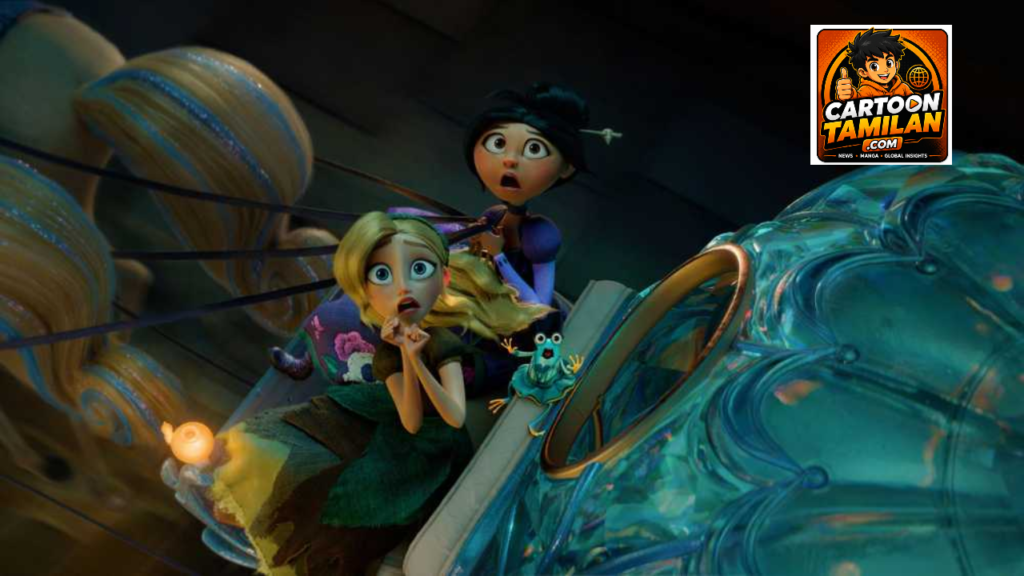
Let’s be brutally honest for a second: we are all suffering from a severe case of Cinderella fatigue. You’ve seen the glass slipper, the pumpkin carriage, and the magical midnight deadline rehashed in dozens of live-action remakes, direct-to-video sequels, and Broadway adaptations. The problem isn’t the story itself; the problem is that Hollywood keeps telling the exact same narrative from the exact same squeaky-clean perspective. If you’re bored of watching flawless princesses wait for their Prince Charming, Netflix’s upcoming animated movie Steps is exactly the cure you need.
Releasing on November 20, 2026, Steps completely flips the script by telling the story from the perspective of the “evil” stepsisters. By hijacking the Fairy Godmother’s magic, the stepsisters accidentally trigger a chaotic chain of events that forces them to team up with Cinderella to save the kingdom. It’s messy, it’s hilarious, and it’s easily shaping up to be the most important animated fantasy event of the year.
Key Takeaway
Steps is an upcoming Netflix animated musical comedy that subverts the classic Charles Perrault fairy tale. By focusing on Lilith (voiced by Ali Wong), the misunderstood stepsister, the film abandons the traditional “good vs. evil” binary to explore family dynamics, redemption, and the idea that even villains deserve a happily ever after.
Breaking Down the “Anti-Cinderella” Concept
To understand why Steps is generating massive industry buzz, we have to look at the psychology of modern storytelling. Modern audiences crave nuance. We don’t want cartoonish villains who are evil just for the sake of being evil. We want to know why they act the way they do.
The directors, Alyce Tzue and John Ripa, have actively labeled Steps as an “anti-Cinderella” movie. But what does that actually mean? It doesn’t mean the movie hates Cinderella. Instead, it means the film actively deconstructs the tired tropes that have held the fairy tale genre hostage for the last seventy years.
In the 1697 Charles Perrault version of the tale—which Steps uses as its foundation—the stepsisters are cruel, vain, and entirely one-dimensional. They exist simply to make Cinderella look better by comparison. Steps rejects this lazy writing. It asks a deeply human question: What is it like to grow up in the shadow of a perfect sibling? How does it feel to be told by society that you are the “ugly” or “evil” one simply because you don’t fit the kingdom’s traditional beauty standards?
The Real-World Impact of Subversion
Think about the massive success of properties like Wicked or Disney’s Maleficent. When you take a legendary antagonist and recontextualize their actions through trauma, jealousy, or misunderstanding, you instantly create a far more compelling narrative. Steps is applying this exact winning formula to the animation space.
A Misunderstood Antagonist’s Perspective
The driving force behind this movie is Lilith. She isn’t inherently evil; she’s simply exhausted. She is tired of living in a world where Cinderella gets the grace, the beauty, and the magical favors, while she and her sister Margot are treated as afterthoughts.
Let’s compare how the traditional character alignments are being completely overhauled in this new adaptation.
| Character Archetype | Traditional Cinderella Role | The Steps Subversion | Psychological Motivation in Steps |
| The Protagonist | Flawless, passive victim waiting to be rescued. | Lilith: A flawed, active instigator who makes massive mistakes. | Driven by a desperate need for validation, agency, and a desire to escape her sister’s shadow. |
| The “Ugly” Sister | Comedic relief, purely antagonistic. | Margot: Accidentally turned into a frog; sympathetic victim of Lilith’s meddling. | Caught in the crossfire of family drama; serves as the emotional anchor for Lilith’s redemption arc. |
| The Villain | The Wicked Stepmother. | Priscilla: A manipulative, power-hungry mean girl who steals the throne. | Pure opportunism. She takes advantage of the chaos Lilith creates to seize political power. |
| Prince Charming | A bland trophy husband with zero personality. | The Prince: An unconventional, potentially obsessive or quirky royal. | Satirizes the idea of the “perfect” man; likely holds his own bizarre flaws. |
As you can see, the narrative weight isn’t on securing a royal marriage. The core of this story is a messy, complicated sibling relationship. When Lilith accidentally turns Margot into a frog and dooms the kingdom to Priscilla’s tyrannical rule, the stakes become incredibly personal. She has to fix the mess she made, and she has to swallow her pride and ask Cinderella for help to do it.
The Star-Studded Voice Cast and Creative Architects
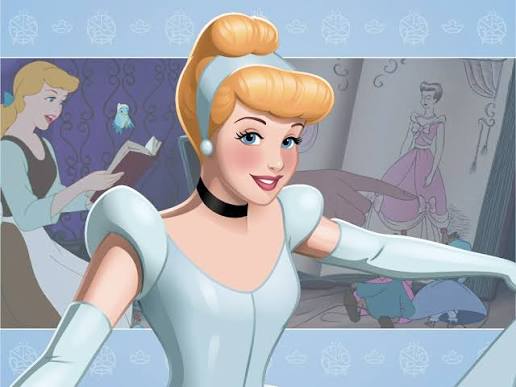
A brilliant concept falls flat without the right execution. Netflix Animation Studios knew they needed heavy hitters to pull off this level of comedic timing and emotional depth, and they absolutely delivered.
Produced by comedy legend Amy Poehler (under her Paper Kite Productions banner), the film features an absolutely stacked roster of talent.
The Voices Bringing the Chaos to Life:
- Ali Wong as Lilith: Wong is a master of playing unhinged, deeply flawed, yet highly relatable characters (just look at her Emmy-winning run on BEEF). She will bring a frantic, sarcastic energy to Lilith that grounds the fantasy in modern humor.
- Stephanie Hsu as Margot: Hsu excels at playing chaotic, high-energy roles. Voicing a girl who spends half the movie as an amphibian requires top-tier physical comedy through voice acting alone, and Hsu is the perfect fit.
- Amanda Seyfried as Cinderella: Seyfried has the perfect, earnest, “golden girl” voice. Having her play the straight-laced Cinderella against Wong and Hsu’s chaotic energy is a stroke of casting genius.
- Nikki Glaser as Priscilla: Glaser is famous for her ruthless comedy roasts. Casting her as the actual villain of the piece guarantees we are going to get some hilariously brutal dialogue.
- Daniel Radcliffe as The Prince: Radcliffe loves taking on weird, subverted roles. Having him play an unconventional Prince Charming adds a massive layer of intrigue.
- Bette Midler as The Fairy Godmother: This is legendary casting. Midler brings a theatrical, over-the-top campiness that is practically required for a magical mentor figure.
- Peter Dinklage as Roderick: A murderous man-nanny. Do I really need to say more? It’s going to be incredible.
A Deep Dive into the Creative Directing
Director Alyce Tzue (a Student Academy Award winner) has openly stated that this story is deeply personal to her. Growing up as an artsy kid in a suburban environment, she felt like an outsider—like the concept of “happily ever after” wasn’t built for people like her. That raw, authentic feeling of isolation is exactly what fuels Lilith’s character. Co-director John Ripa, who worked on Disney’s Raya and the Last Dragon, brings decades of high-level animation experience to ensure the visual spectacle matches the emotional weight.
Magical Mechanics: How Lilith Breaks the Fairy Tale
If you are going to break the rules of a fairy tale, you have to understand the mechanics of the magic you are messing with. In traditional folklore, magic is used as a divine reward for good behavior. Cinderella is kind and endures abuse, so the universe (via the Fairy Godmother) rewards her with a magical makeover.
Steps actively weaponizes this concept. Lilith doesn’t wait to earn a reward; she steals the Fairy Godmother’s magic wand. But here is the catch: fairy tale magic is highly volatile if you don’t know the rules.
Let’s look at how Steps alters the traditional story beats to create a completely new adventure.
| Traditional Story Beat | How Steps Breaks the Rules | The Narrative Consequence |
| The Royal Ball Preparation | The Godmother waves her wand, creating the perfect dress and carriage. | Lilith hijacks the wand to force her own spotlight, bypassing the “earning” phase. |
| The Magical Transformation | Mice turn into horses; a pumpkin turns into a coach. | Lilith loses control of the stolen magic and accidentally transfigures her own sister, Margot, into a frog. |
| The Midnight Deadline | The magic gracefully wears off, creating dramatic romantic tension. | The kingdom falls into utter chaos, creating a power vacuum. |
| The Prince’s Pursuit | The Prince searches the kingdom with a glass slipper to find his true love. | Priscilla (the mean girl) swoops in, exploits the chaos, and seizes the throne for herself. |
The “Road Trip” Element
Because the traditional structure is shattered in the first act, the rest of the movie turns into a chaotic buddy-comedy road trip. Lilith and Cinderella are forced to team up. They have to fight biker trolls, outrun Priscilla’s evil henchmen, and navigate the mysterious Screaming Woods.
This completely changes the genre. It goes from a static, palace-based romance into a sprawling, high-stakes fantasy adventure. The magic isn’t a solution to their problems; the magic is the problem they have to solve.
Troubleshooting: Managing Expectations for Fairy Tale Subversions
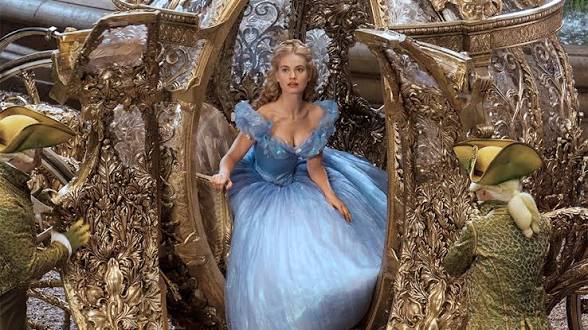
Whenever a studio heavily markets a film as a “deconstruction” or a “subversion,” a specific segment of the audience usually pushes back. If you go into Steps expecting a traditional, comforting fairy tale, you are going to be jarred. Here is how to manage your viewing experience if you find the new format abrasive.
Common Mistakes When Watching Subverted Fairy Tales:
- Expecting the Original Tone: Don’t go in expecting the sweeping, classical romance of the 1950 Disney classic. Steps is a modern musical comedy. The dialogue will be faster, sharper, and heavily reliant on the comedic timing of stand-up veterans like Ali Wong and Nikki Glaser.
- Hating the Protagonist Early On: Lilith is designed to make mistakes. If you find her annoying or selfish in the first twenty minutes, that is the point. You have to let her character arc play out. She has to hit rock bottom before she can earn her redemption.
What to do if the humor isn’t landing for you:
Focus on the world-building and the animation quality. Netflix Animation has been on an absolute tear lately (producing massive hits like Nimona and The Sea Beast). Even if the sarcastic, rapid-fire dialogue isn’t your personal cup of tea, the visual design of the Screaming Woods, the biker trolls, and the fluid animation of the action sequences will absolutely hold your attention.
Frequently Asked Questions (FAQ)
1. When is the exact release date for Netflix’s Steps movie?
Steps is officially scheduled to premiere globally on Netflix on November 20, 2026. This strategically places it as Netflix’s major family-friendly holiday release, right before Thanksgiving.
2. Who plays the evil stepsisters in the new Cinderella animated movie?
The stepsisters are voiced by comedy powerhouses Ali Wong (playing Lilith) and Stephanie Hsu (playing Margot). However, the film flips the script—they aren’t actually “evil,” just deeply misunderstood and tired of living in Cinderella’s shadow.
3. Is the Netflix movie Steps a musical?
Yes. Steps has been heavily developed as an animated musical fantasy comedy. You can expect original songs integrated directly into the chaotic storyline as Lilith and Cinderella journey through the kingdom.
4. Does Amanda Seyfried play Cinderella in Steps?
Yes, Amanda Seyfried provides the voice for Cinderella. In this version, she acts as a foil to the frantic energy of her stepsisters and eventually has to team up with Lilith to save the kingdom from a new villain.
5. What is the plot of the anti-Cinderella movie on Netflix?
Tired of being the outcast, stepsister Lilith steals the Fairy Godmother’s wand to crash the Royal Ball. She accidentally turns her sister into a frog and allows a power-hungry villain named Priscilla to steal the throne. Lilith must then team up with Cinderella to fix the magic, save her sister, and take back the kingdom.