Beyond Dragon Ball Z: A Complete Guide to Every Sequel & Alternate Timeline
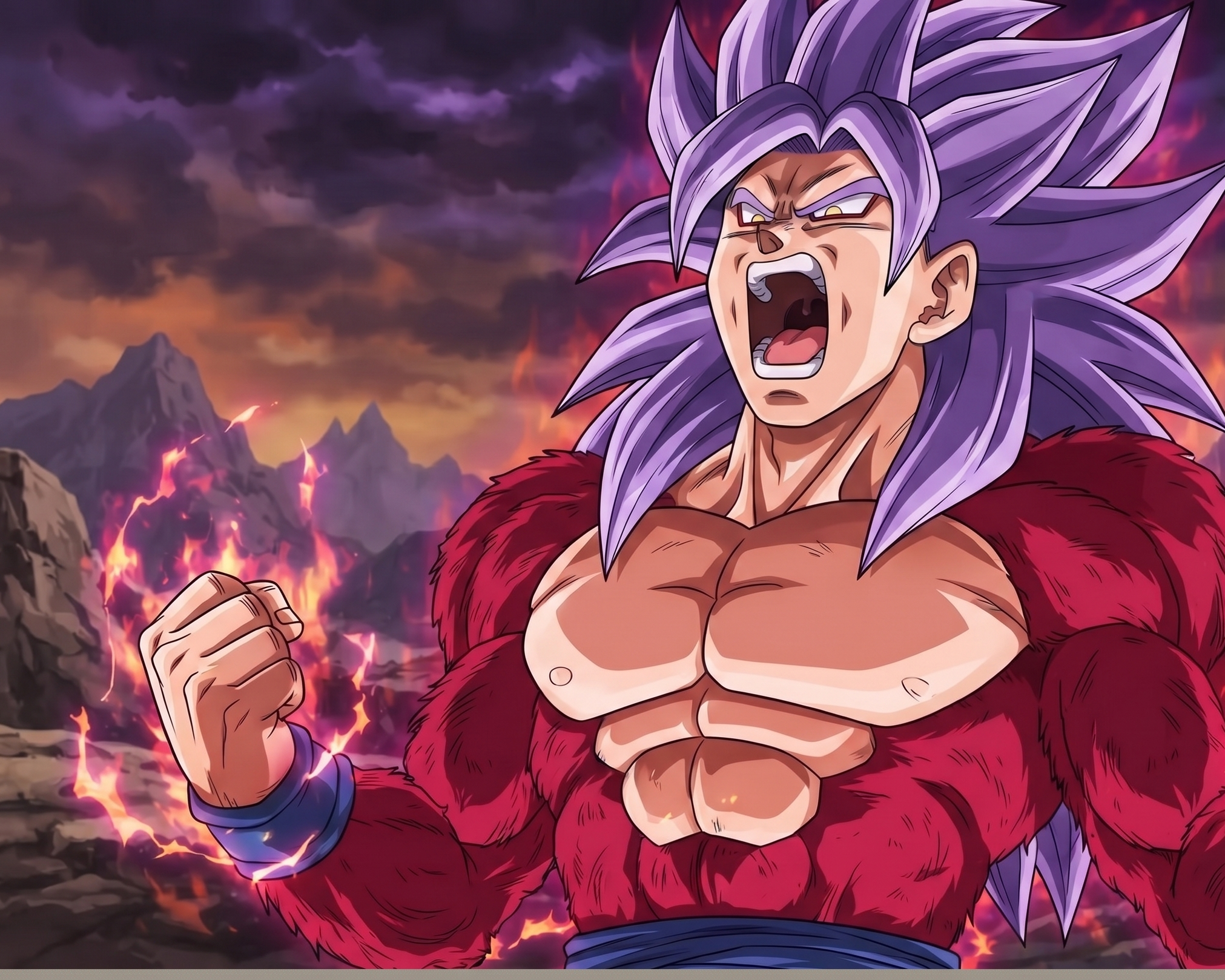
You’ve finished Dragon Ball Z. The credits roll on the fight against Kid Buu, Goku flies off with Uub, and you’re left with that distinct, bittersweet void that only a decade-long saga can create. Where do you go from here?
If you think the story ends with the Z-Fighters standing on the lookout, you’re missing half the fun. Dragon Ball Z isn’t just a singular narrative; it’s a massive, branching oak tree of sequels, spin-offs, and alternate timelines. Some are canon, some are parodic, and some are weird, experimental relics of the early 2000s.
Navigating the Dragon Ball multiverse can be confusing because it doesn’t follow a linear path. Instead, it’s a collection of “what-if” scenarios, official continuations, and creative expansions. Whether you’re looking for high-octane battles that rival the Namek Saga or lighthearted adventures that mirror the tone of the original 1984 manga, this guide maps out every major Dragon Ball Z sequel worth your time.
The Executive Summary: Which Sequel Should You Choose?
Not all sequels are created equal. Depending on whether you want canonical lore or fun, non-canon experiments, your priority list will shift.
| Sequel | Canon Status | Tone | Best For |
|---|---|---|---|
| Dragon Ball Super | Yes | Action/Shonen | Fans of high-stakes canon power-scaling. |
| Dragon Ball DAIMA | Alt-Continuity | Adventure/Comedy | Fans of classic Dragon Ball humor & visuals. |
| Dragon Ball GT | No | Melancholy/Action | Fans who want a definitive “end” to the story. |
| Dragon Ball Online | Historical | World-Building | Lore junkies who love deep, complex timelines. |
| Neko Majin Z | Parody | Comedy/Absurd | Fans who want to see Toriyama poking fun at his work. |
Dragon Ball Super: The Modern Standard
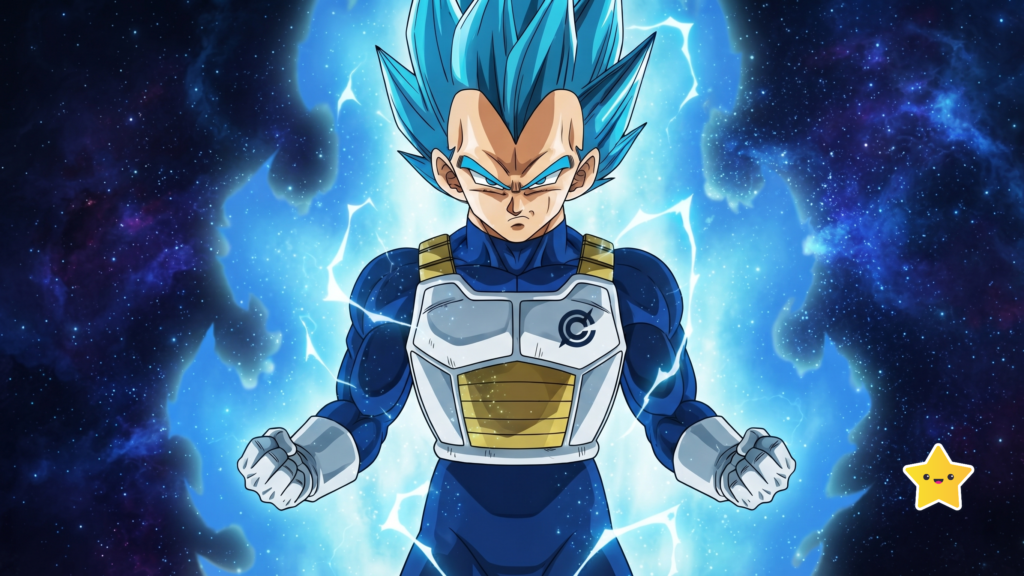
Let’s get the big one out of the way. Dragon Ball Super is the officially recognized successor to the Dragon Ball Z manga. If you’re here for the modern power-ups, the introduction of God Ki, and the expansion of the multiverse, this is your primary destination.
The Learning Curve of Super
When Super first hit the airwaves, it stumbled. The animation quality in the early arcs was inconsistent, and it retold the plots of the Battle of Gods and Resurrection ‘F’ movies in a way that felt padded. If you’re a new viewer, don’t let the early episodes turn you off.
The real transformation happens once you reach the Goku Black and Tournament of Power arcs. This is where the series finds its footing. The stakes move from “save the planet” to “save the entire multiverse.” If you prefer the manga, Toyotarou’s work is arguably superior to the anime, especially during the Galactic Patrol Prisoner and Granolah the Survivor sagas. These arcs capture that tight, high-tension pacing that made the Cell Saga so addictive.
Why It Works
Super functions because it respects the foundation while pushing the ceilings. By introducing the concept of other universes (Universe 6 vs. Universe 7), it creates a narrative reason for why characters like Goku and Vegeta never stop training. It’s an endless loop of growth that feels earned rather than forced.
Dragon Ball DAIMA: The Retro-Modern Blend
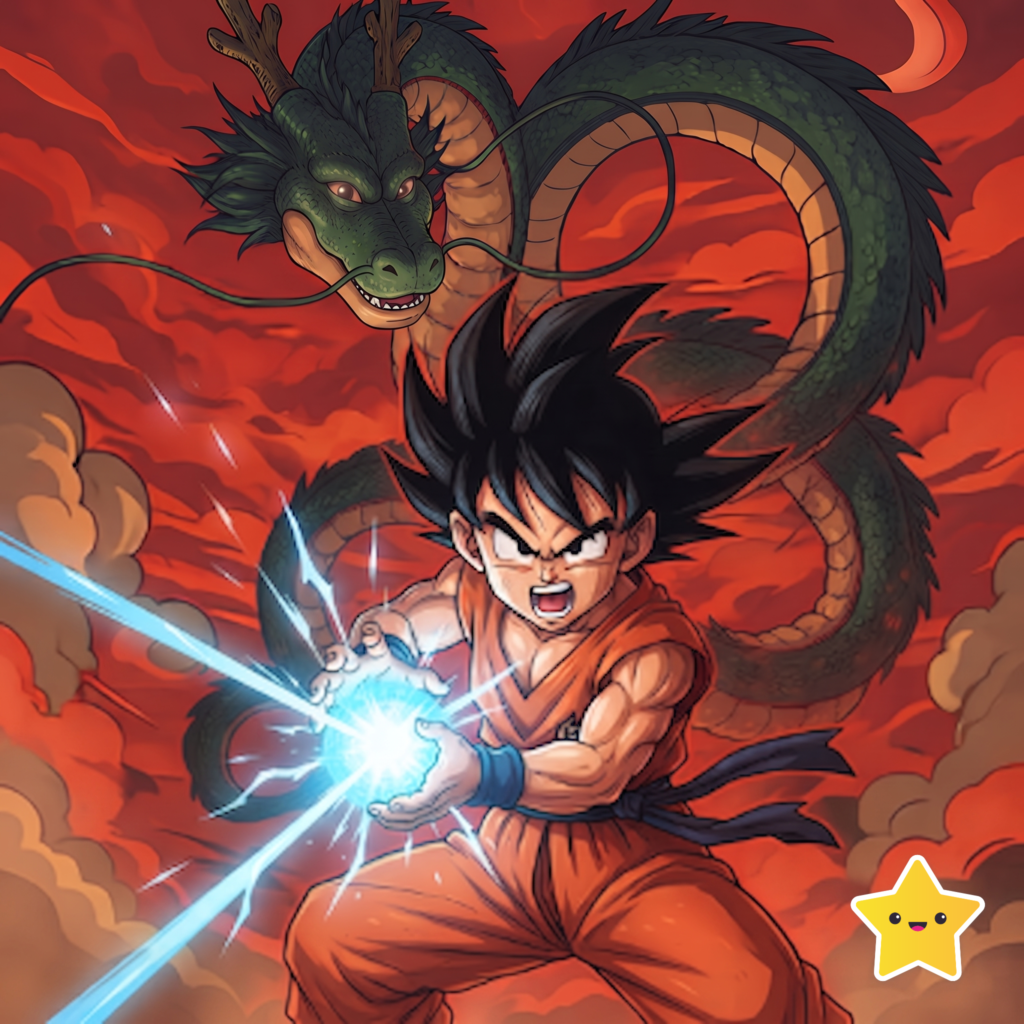
If Super is the spectacle, DAIMA is the heartbeat. Set one year after the Buu Saga but operating in an alternate continuity, DAIMA does something brilliant: it hits the “reset” button on the power scaling.
By shrinking the cast, DAIMA forces the characters to rely on martial arts and wits rather than raw, earth-shattering energy blasts. This is an intentional pivot back to the 1984 style. Think of it as a bridge between the innocent adventure of the first series and the cinematic spectacle of Z.
- The Appeal: It’s visually striking. The Demon Realm is one of the most creatively designed locations in the franchise’s history.
- The Pacing: Because it’s a shorter run, it avoids the “filler trap” that haunted Dragon Ball Z’s original broadcast. Every episode feels vital to the core mystery.
Dragon Ball GT: The Nostalgic Outlier
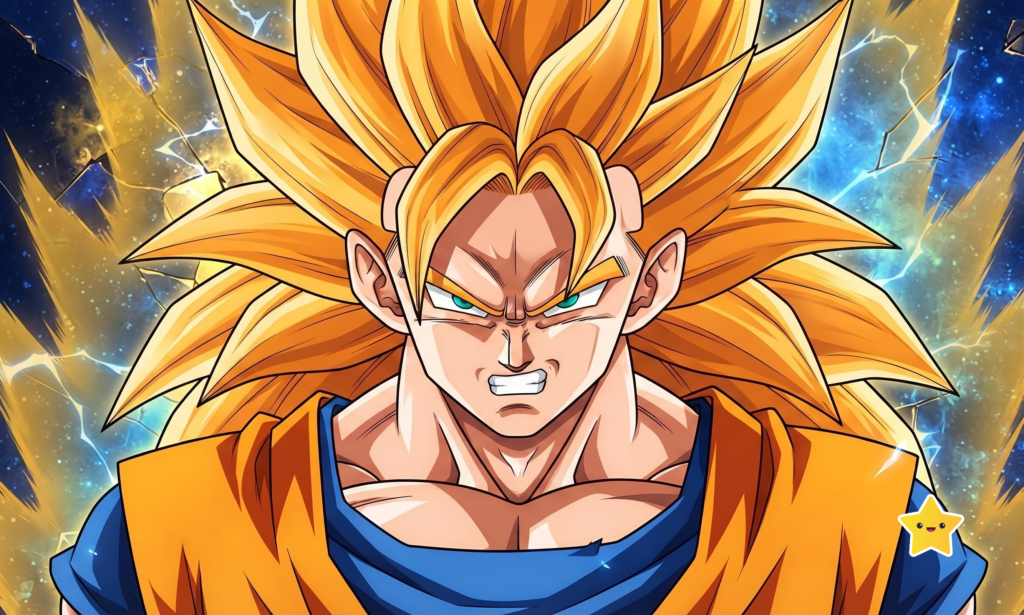
Dragon Ball GT occupies a strange space. It was the first attempt to follow up on Z, airing just one week after the final episode. Because it isn’t canon to the current manga-timeline, it’s often dismissed, but that’s a mistake if you appreciate character-driven storytelling.
The “What Works” vs. “What Doesn’t”
GT has a distinct, moody atmosphere that Super lacks. The concept of the Black Star Dragon Balls forcing Goku back into a child’s body—and forcing him to travel the galaxy—was a stroke of genius that reclaimed the spirit of early Dragon Ball.
However, GT suffers from uneven execution. The Android 17 arc, for instance, felt like a rehash of better ideas. The saving grace is the final arc, the Shadow Dragon Saga. The idea that overusing the Dragon Balls would eventually “poison” them, forcing the heroes to deal with the consequences of their own reliance on magic, is one of the most mature concepts in the entire franchise.
If you decide to watch it, focus on the premise rather than the power-scaling logic. GT is best enjoyed as a side-story or an “elseworlds” tale.
Dragon Ball Online & The World-Building Legacy
You might be surprised to see an defunct MMO on this list, but Dragon Ball Online is essential for understanding the “extended universe” of the series. Akira Toriyama was deeply involved in this project, and he used it to map out exactly what happens to the world long after the Z-Fighters are gone.
The “Age 1000” Timeline
Toriyama wrote a massive amount of lore for this game. Here is how he envisioned the post-DBZ world:
- Gohan’s Academic Influence: Gohan publishes a book titled Groundbreaking Science, which teaches the general population how to control their Ki. This effectively turns humanity into a race of martial artists.
- The Frieza/Red Ribbon Remnants: With the Z-Fighters aged or retired, the villains regroup. This creates a vacuum that allows the “Time Patrol” to step in—the very organization that anchors the Xenoverse games.
- The Final Duel: Toriyama’s ultimate vision for Goku and Vegeta involved them flying into deep space for a final, mutual battle to the death, leaving their pasts behind. It is a haunting, beautiful end-note for the two rivals.
Even though the servers have been offline for years, the narrative blueprints established here continue to influence every modern Dragon Ball game and side-project.
Neko Majin Z: The Author’s Secret Joke
Sometimes, the best way to understand a franchise is to see how the creator treats it when he isn’t trying to be serious. Neko Majin Z is Toriyama at his most unhinged.
Originally a parody, it eventually morphed into a meta-commentary on the Dragon Ball series. When Goku and Vegeta show up, they aren’t the stoic heroes of Z; they are exaggerated caricatures of themselves. It’s hilarious, lighthearted, and surprisingly insightful regarding Toriyama’s own relationship with his creation. If you’ve spent hundreds of hours watching serious power struggles, Neko Majin Z acts as a perfect palate cleanser.
Troubleshooting Your Viewing Order
One of the most common pitfalls for new fans is trying to force a linear timeline where one doesn’t exist. If you find yourself hitting a wall, use this logic to prioritize your next steps.
- If you crave the “official” path: Stick to the Dragon Ball Super manga and anime. Everything else is secondary.
- If you miss the sense of wonder: Start Dragon Ball DAIMA. It effectively captures the feeling of the original Dragon Ball series.
- If you want a concrete ending: Watch the final episodes of Dragon Ball GT. Despite its flaws, it offers a sense of closure that the current ongoing Super narrative hasn’t reached yet.
- If a series feels “too long”: Don’t be afraid to skip filler-heavy arcs. Dragon Ball is about the iconic battles. If an arc is dragging, check a “filler list” and move to the next major combatant.
The Dragon Ball multiverse is large, but it’s not meant to be conquered. Treat it like a library: you don’t have to read every book in a specific order to appreciate the themes of courage, self-improvement, and the relentless pursuit of one’s potential.
Frequently Asked Questions (FAQ)
1. Is Dragon Ball GT considered canon by current standards?
No, Dragon Ball GT is not part of the official canon. The current canon follows the Dragon Ball Super manga and the recent films. GT is best viewed as an alternate universe or “what-if” scenario.
2. Where should I start if I want to read the source material?
If you want the complete, authentic experience, start with the original Dragon Ball manga, then transition to Dragon Ball Z (collected as Dragon Ball volumes 17-42). After that, pick up Dragon Ball Super for the continuation.
3. Why is there so much debate about “power levels” in the sequels?
Power levels were officially abandoned by the characters as a useful metric after the Frieza Saga. The focus in modern sequels like Super shifts to “God Ki,” skill, and mastery of transformation, which is why older character power rankings are often inaccurate when applied to current arcs.
4. Can I jump straight into Dragon Ball Super without finishing Z?
While you could technically understand the plot, you would miss the emotional weight behind character dynamics. The relationship between Goku, Vegeta, and the rest of the cast is built on years of shared trauma and combat history. You’ll have a much better experience if you finish Dragon Ball Z first.
5. Are the Dragon Ball movies part of the main timeline?
It depends on the movie. The older Z movies are generally non-canon. However, recent films like Dragon Ball Super: Broly and Dragon Ball Super: Super Hero are officially canon and heavily impact the overarching story.
As you explore these different corners of the multiverse, remember that the spirit of the series remains the same: there is always a stronger opponent, and there is always a way to get stronger. Whether you prefer the dark, gritty aesthetic of GT or the high-stakes, multiversal battles of Super, you’re engaging with a piece of cultural history that continues to define the action-shonen genre. Where will you start your training next?