Nerona Imu is the Forest God: One Piece 1188 Theory
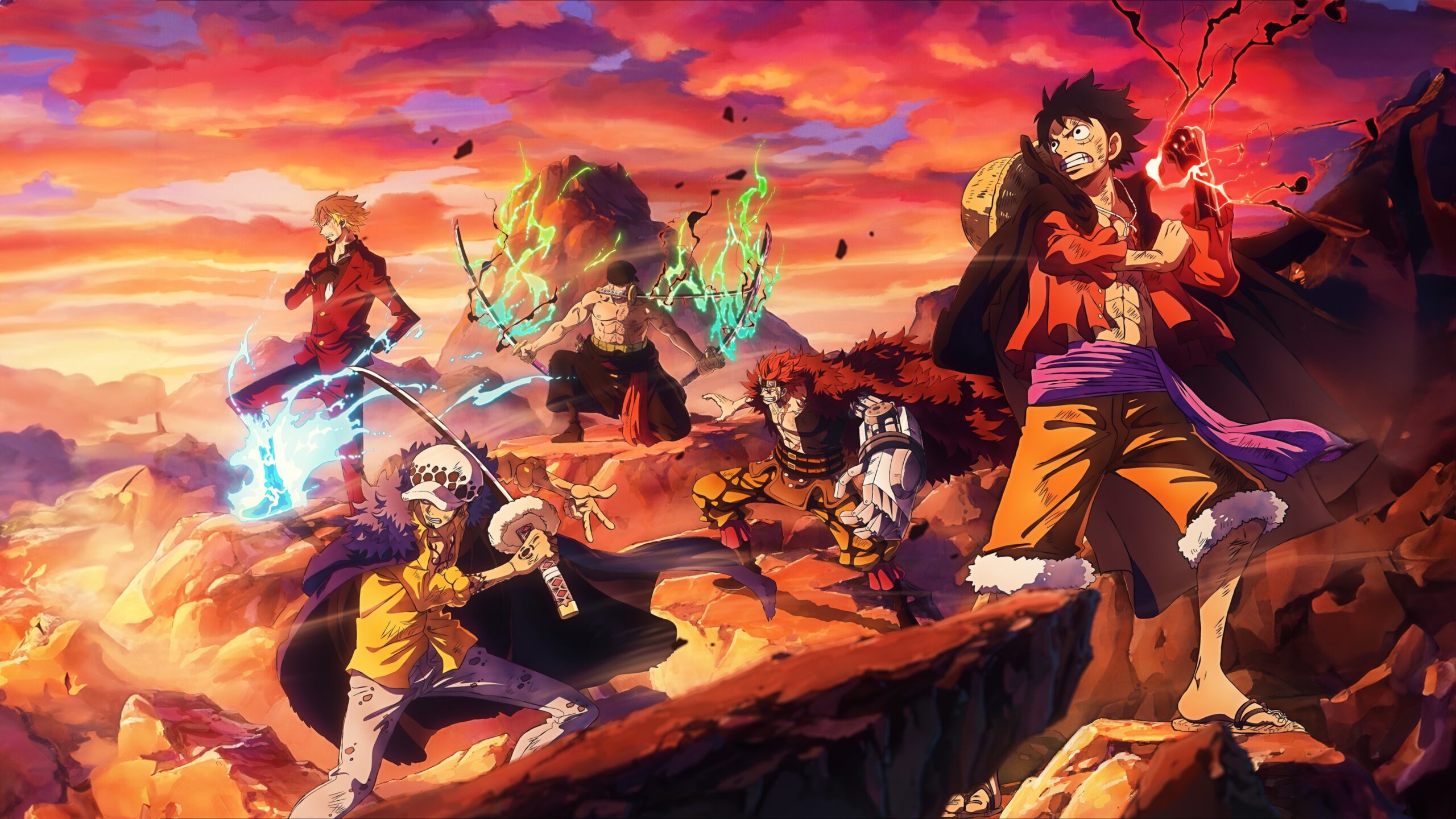
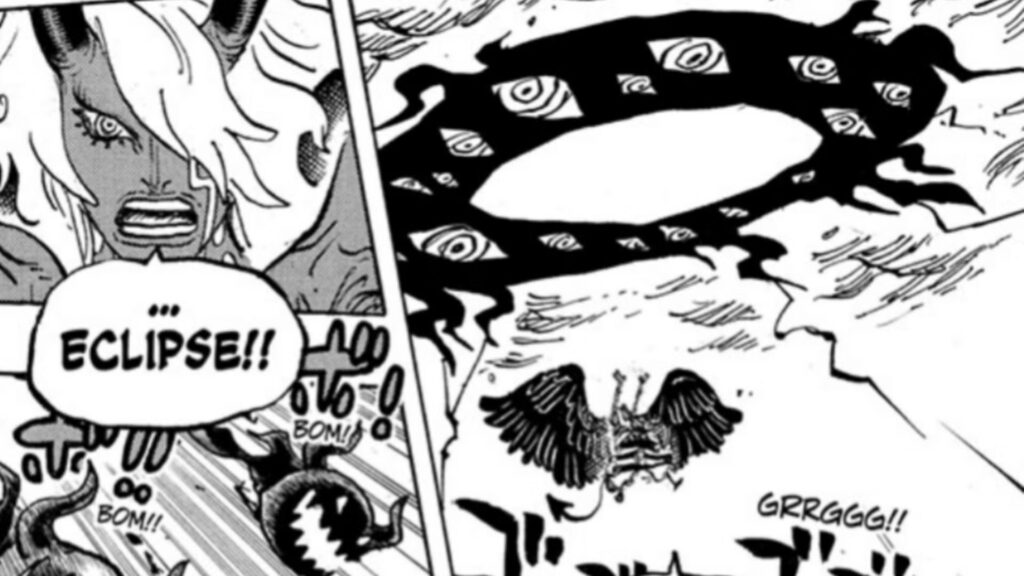
The power dynamic of the One Piece world shifted irrevocably on July 12, 2026. In the pages of Weekly Shonen Jump Issue #33, Chapter 1188, titled “Void,” delivered what might be the most consequential reveal since the introduction of Gear 5. We finally witnessed the true, terrifying capability of Nerona Imu—and the pieces are falling into place regarding his identity as the fabled “Forest God” mentioned in the Harley texts.
If you have been tracking the lore since Chapter 1138, you know that the “Forest God” is not merely a mythological footnote; it is a central pillar of the series’ ancient history. After the devastating confrontation between Imu and Monkey D. Luffy, we have more than just speculation. We have proof that Imu’s abilities over nature, combined with the grim prophecy of the Harley, point to a single, chilling conclusion: the King of the World is the deity that tamed the demons of the Second World.
Key Takeaways: The Imu-Forest God Connection
| Feature | The Evidence |
| The Ability | Imu’s “Blade of Nothingness: Vohu” withered entire forests instantly in Chapter 1188. |
| The Mythology | The Harley texts describe a “Forest God” who emerged from the Void and tamed demons. |
| Demon Manifestation | Imu’s presence in Elbaf (Chapter 1179) caused forests to develop sentient, demonic faces. |
| Political Alignment | Imu’s control over the Five Elders and Holy Knights mirrors the “sending forth of demons.” |
The Weight of the Blade: Vohu and the Withered World
To understand why Imu is being linked to the Forest God, we have to analyze exactly what transpired in Chapter 1188. Luffy, utilizing his new “Gomu Gomu no Majin” Genie transformation, managed to narrowly evade the initial strike of the “Sword of Judgment: Stigma.” However, the follow-up, “Blade of Nothingness: Vohu,” changed the battlefield entirely.
When Imu deployed this technique, the environment underwent a process of rapid entropy. The Adam Tree vegetation in the vicinity did not just burn; it withered, decayed, and evaporated, leaving a “clearer” view—a terrifying metaphor for Imu’s desire to wipe the slate of history clean.
This isn’t just power; it is fundamental dominion over life and growth. By siphoning the life force of the forest, Imu demonstrated that he doesn’t just destroy; he consumes the very essence of nature. This aligns with the “Void” theme central to his character. If the Forest God is an entity that creates and tames, Imu is the inversion: the entity that dictates when life is permitted to exist and when it must be reclaimed by the nothingness.
Connecting the Harley Texts: The Second World’s Prophecy
The Harley, first introduced in Chapter 1138, acts as the series’ most cryptic blueprint. The text reads:
“Within the Void, there was breath. The Forest God tamed the demons, and the Sun spread the fires of war. Those of the half moon dreamed. Those of the moon dreamed. Man killed the Sun and became God, and the Sea God stormed.”
When we look at this alongside Imu’s recent actions, the parallels become unavoidable.
1. The Breath of Nothingness
The Harley starts with “Within the Void, there was breath.” The term “Breath” is phonetically and thematically linked to the “Vohu” technique used by Imu. If Imu’s blade creates a localized void, it effectively forces a “breath” or reset of the environment. He is literally creating the conditions described in the ancient texts to purge the influence of the “Sun” (Joy Boy/Luffy).
2. The Taming of the Demons
Who are the “demons” in the modern era? We see them in the Holy Knights and the monstrous transformations of the Five Elders. These figures do not derive their strength from traditional Haki or conventional Devil Fruit awakening; they possess “demonic” qualities that seem tethered directly to Imu’s authority. If Imu is indeed the Forest God, he is the original source of this “demonic” power, distributing it to those who serve the World Government.
The Elbaf Incident: A Clue in the Landscape
We cannot ignore the events of Chapter 1179 in Elbaf. When Imu stepped onto the soil of the Giants’ land, the forest reacted—not with fear, but with a transformation. The trees developed devilish faces, morphing into a sentient, twisted caricature of the forest itself.
Crucially, when Imu departed, those faces vanished. This suggests that the environment reacts to his presence like iron filings to a magnet. He doesn’t just exist within the world; he overwrites the laws of nature wherever he walks. This is the hallmark of a deity who has absolute, binding authority over the “Forest.”
Why Luffy Was Deemed “Weak”
The most jarring moment of Chapter 1188 was not the destruction of the forest, but Imu’s dismissal of Luffy. After piercing the Emperor of the Sea, Imu stated: “Of course I know that thou art not Joy Boy! Joy Boy was not this weak!!”
This indicates that Imu’s knowledge of the “Sun God” and the “Forest God” is not just based on ancient texts—it is based on lived experience. Imu remembers the actual Joy Boy. He treats Luffy like a pretender because, in the eyes of a deity who has existed since the Void Century, Luffy’s current power level, even with Gear 5 and advanced Haki, is a pale imitation of the original conflict. Imu is fighting as someone who knows the “script” of this history, and he believes he is the one holding the pen.
How This Shapes the World Government’s Foundation
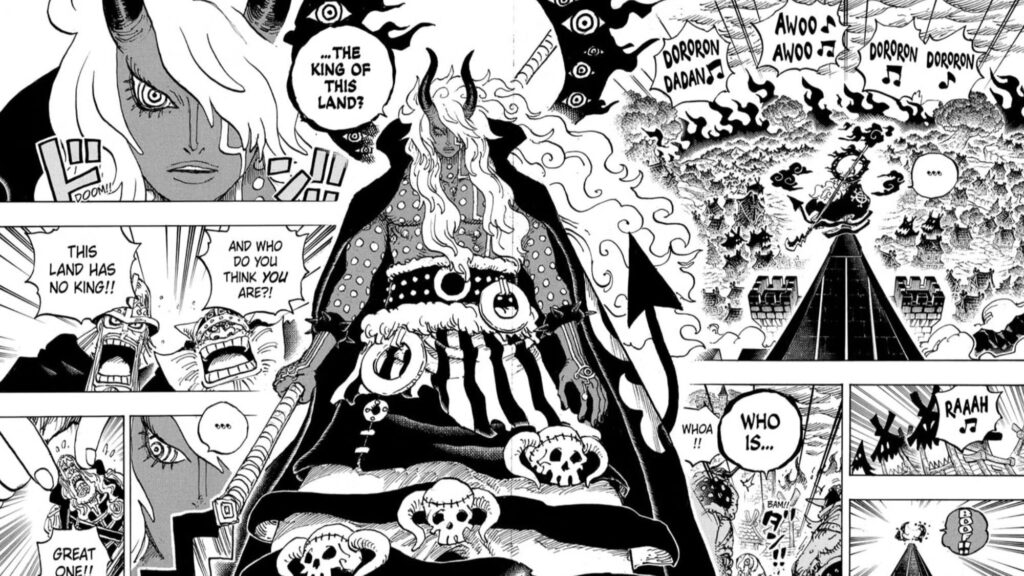
If Imu is the Forest God, the World Government is not a political institution; it is a theological structure designed to perpetuate his dominion.
- The 20 Kingdoms: The families that founded the World Government were likely not just allies; they were subordinates who received “demonic” boons from the Forest God.
- The Nefertari Exemption: Their departure from the alliance fits the narrative of a group rejecting the “demonic” influence of the Forest God, which explains why they were branded as traitors.
- The Divine Retribution: Every move the World Government makes—from the Buster Calls to the systematic erasure of history—is an extension of the Forest God’s will to ensure no “Sun” rises to challenge the established, sterile order of the “Void.”
Troubleshooting the “God” Theory: Common Pitfalls
When analyzing such heavy lore, it is easy to get lost in the nuance. Here are common points of confusion:
- Is the Forest God “Good”? The Harley texts characterize the deity as someone who “tamed” demons. In many mythologies, the act of “taming” requires violence. Don’t mistake “taming” for benevolence. Imu’s actions are consistently destructive. He is a god of order, not a god of kindness.
- Is it definitely a Devil Fruit? While Imu’s powers resemble an Awakening, the sheer scale of the environmental manipulation—changing the landscape of Elbaf and the literal life force of the Adam Tree—suggests something older. It could be the original Devil Fruit, the progenitor of all others, or something that predates the concept of “Devil Fruits” entirely.
- Does this make Luffy irrelevant? Absolutely not. Luffy is the “Sun” that spreads the “fires of war.” Even if Imu is the god of the forest, fire is the natural predator of the forest. Thematically, Oda is setting up a clash between the one who resets the world (the Void/Forest) and the one who liberates it (the Sun).
Looking Ahead: The Next Phase of the War
We are currently in the endgame of the series. The battle in Chapter 1188 proves that the standard progression of power—increasingly strong Haki or transformations—is insufficient against a being like Imu. Luffy must find a way to counter the “Void.” If the Forest God is sustained by the suppression of “dreams” (as mentioned in the Harley), then Luffy’s ultimate weapon will be his ability to force the world to “dream” again.
The conflict in Elbaf is far from over. As Imu continues to exert his influence over the natural order, we should expect to see more characters affected by his “demonic” reach. The mystery of the “Sea God” mentioned in the Harley also looms large—if Imu is the Forest God, who is the Sea God? And will they be an ally to Luffy or another obstacle in his path to the One Piece?
Frequently Asked Questions (FAQ)
1. Does Imu having a “Forest God” power mean he controls all plant life?
It appears more specific than simple plant control. Imu’s power involves the “Blade of Nothingness,” which suggests he controls the life force or existence of nature. He can decay or animate vegetation based on his will, which is a significant step beyond simple vegetative manipulation.
2. Is the “Harley” a literal book within the One Piece world?
The Harley appears to be a collection of ancient, prophetic texts or oral traditions preserved by certain factions. Chapter 1138 suggests it contains the fundamental truth of the world’s creation and the cycle of the “Sun” and “Forest” gods.
3. Why do the Five Elders show “demonic” powers?
The theory is that the Five Elders, along with the Holy Knights, are “tamed” beings. They were likely granted these powers by Imu (the Forest God) as a means of control, turning them into extensions of his own will to maintain the status quo of the World Government.
4. Will Luffy need a new form to defeat Imu?
Luffy’s current Gear 5 “Genie” transformation proved effective at avoiding damage but failed to overcome Imu’s “Blade of Nothingness.” Luffy likely needs to evolve his understanding of his own fruit’s connection to the “Sun” to counter the entropy Imu imposes on the world.
5. How does this impact the final goal of finding the One Piece?
The One Piece is inherently linked to Joy Boy and the “Sun.” If Imu is the Forest God who killed the original Joy Boy to maintain his rule, the One Piece is likely the key to breaking that cycle of “Nothingness.” Finding it is not just about a treasure; it is about restoring the “dreams” that the Forest God has been suppressing for centuries.