10 Best First-Person Exploration Games of All Time (No Combat)

The first-person perspective in video games is traditionally associated with a barrel of a gun and a crosshair at the center of the screen. For decades, looking through an avatar’s eyes meant projecting violence outward. Yet, eliminating combat completely unlocks the true psychological power of this perspective. When you remove the mechanical stress of aiming, reloading, and dodging, the camera changes from a targeting reticle into an open lens for profound empathy, curiosity, and existential dread.
First-person exploration games—often colloquially, and sometimes dismissively, labeled “walking simulators”—mimic human sight to achieve pure environmental storytelling. By interacting directly with spaces rather than shooting down threats, you inhabit a character’s history, headspace, and vulnerability. The following masterclasses in tension and narrative design prove that the most gripping conflicts in gaming happen without pulling a trigger.
The Masterpieces of First-Person Exploration at a Glance
| Title | Core Narrative Mechanism | Primary Environment | Subgenre / Flavor |
|---|---|---|---|
| Outer Wilds | 22-minute time loop knowledge gathering | A dynamic, miniature solar system | Space Archaeology |
| Blue Prince | Draft-based architectural generation | A shifting, puzzle-filled manor | Roguelite Mystery |
| SOMA | Cybernetic identity horror | A decaying deep-sea research facility | Philosophical Sci-Fi |
| Firewatch | Walkie-talkie reactive dialogue | The isolated Wyoming wilderness | Character Study |
| P.T. | Recursive architectural deterioration | A single, looping residential hallway | Psychological Terror |
| What Remains of Edith Finch | Anthological ancestral vignettes | A surreal, vertical family homestead | Magical Realism |
| The Vanishing of Ethan Carter | Paranormal timeline reconstruction | An open, desolate Wisconsin valley | Occult Detective |
| Gone Home | Environmental audio diaries | A dark, rain-slicked 1990s house | Domestic Drama |
| Return of the Obra Dinn | Death-moment freeze-frame deduction | A ghost merchant ship from 1807 | Logical Deduction |
| The Stanley Parable: Ultra Deluxe | Choice subversion & meta-commentary | A surreal corporate office complex | Satirical Comedy |
10. The Stanley Parable: Ultra Deluxe

Breaking Boundaries and Rules in an Office Cubicle
Developer: Crows Crows Crows
Platform Availability: PC, PlayStation 4/5, Xbox One/Series X/S, Nintendo Switch
The original iteration of this concept was a brilliant critique of video game linear design. However, the Ultra Deluxe edition expands the architectural boundaries of the game to comment on the nature of sequels, industry trends, and the psychological contract between developer and player. You begin as Stanley, Employee Number 427, stepping out of an empty office when your monitor goes blank. From that moment, your primary antagonist and companion is the Narrator—a brilliant, disembodied voice tracking your every move.
                  [ START: Room 427 ]
                           │
             ┌─────────────┴─────────────┐
             ▼                           ▼
      [ Left Door ]                [ Right Door ]
             │                           │
   ┌─────────┴─────────┐       ┌─────────┴─────────┐
   ▼                   ▼       ▼                   ▼
[Story Path]     [Disobedience] [Break Room]     [Executive Elevator]
The exploration here is not about looking at beautiful vistas; it is an investigation into the boundaries of game code and player agency. When the Narrator states that Stanley took the left door, taking the right door becomes a rebellious act that breaks the reality of the game. Ultra Deluxe introduces entirely new corridors, exhibits, and broken geometry that cause the Narrator to lose his composure. It is a hilarious yet existential examination of choice that proves exploring structural limitations can be just as thrilling as discovering an alien world.
9. Return of the Obra Dinn
Exploring Information Across a Vessel of the Dead
Developer: Lucas Pope
Platform Availability: PC, PlayStation 4, Xbox One, Nintendo Switch
In 1807, the merchant ship Obra Dinn drifted into port at Falmouth with damaged sails and zero living crew members. As an insurance inspector for the East India Company, your objective is not to fight pirates, but to deduce the identity and specific fate of all 60 individuals on board. Equipped with an official logbook and the Memento Mortem—a mystical pocket watch that plays back the audio audio cues of a corpse’s final breath before freezing the exact microsecond of their death in a 3D space—you walk through moments frozen in time.
[ Locate Remains ] ──► [ Activate Stopwatch ] ──► [ Hear Audio Dialogue ] ──► [ Explore Frozen 3D Scene ] ──► [ Update Ledger Log ]This structural loop requires intense observation. You must track where a bullet traveled, identify uniforms, trace familial features across sketches, and listen to spoken accents in the dark. The ship itself is small, but the narrative space is colossal. The game refuses to hold your hand, validating your deductions only when you correctly match three fates at a time. It shifts the focus of first-person exploration from physical geography to deductive reasoning.
8. Gone Home

The Raw Power of Domestic Archaeology
Developer: The Fullbright Company
Platform Availability: PC, PlayStation 4, Xbox One, Nintendo Switch, iOS
Arriving at a darkened, empty house during a severe thunderstorm in 1995, Katie Greenbriar finds a frantic note from her younger sister, Sam, warning her not to look for answers. What follows is an intimate exercise in domestic archaeology. There are no monsters behind the doors, nor global conspiracies in the basement. The stakes are deeply human, focusing on the painful, beautiful process of a teenager coming to terms with her identity in an unaccepting era.
       [ Front Door Locked ] ──► Find Hidden Key under Christmas Porch Duck
                                          │
                                          ▼
                      [ Explore First Floor / Living Spaces ]
                                          │
                  ┌───────────────────────┴───────────────────────┐
                  ▼                                               ▼
     [ Discover Sam's Journals ]                     [ Uncover Parental Stress Clues ]
                  │                                               │
                  └───────────────────────┬───────────────────────┘
                                          ▼
                       [ Unlock Secret Hallways & Attic Access ]
The house acts as a physical manifestation of memory. By examining cassette tapes, school assignments, half-packed boxes, and utility bills, you construct a timeline of events that occurred during Katie’s year abroad. The brilliant environmental design guides you naturally from room to room without artificial markers, showing how mundane objects can carry immense emotional weight.
7. The Vanishing of Ethan Carter
Reconstructing Tragedy in Red Creek Valley
Developer: The Astronauts
Platform Availability: PC, PlayStation 4, Xbox One, Nintendo Switch
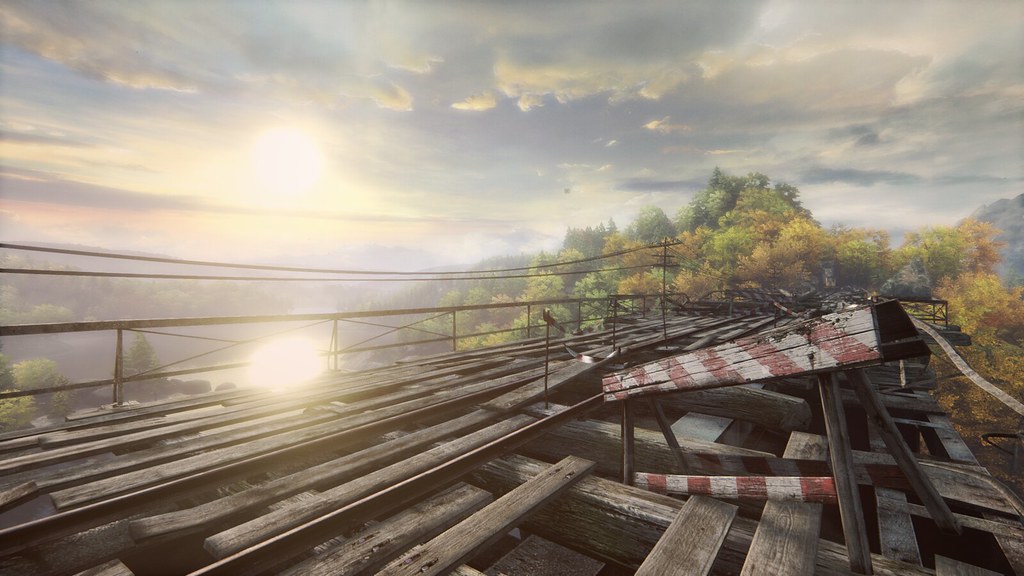
As Paul Prospero, a paranormal investigator receiving telepathic distress calls from a young boy, you step into the sun-drenched, yet deeply unsettling landscape of Red Creek Valley, Wisconsin. The valley is vast and entirely open, allowing you to wander across train tracks, dilapidated churches, and isolated cabins in whatever order you choose.
[ Find Scene of Violence ] ──► [ Locate Contextual Clues ] ──► [ Restore Chronological Timeline ] ──► [ Watch Spirit Echo Reenactment ]When you stumble upon a crime scene, your supernatural sight allows you to locate items displaced during the struggle. Once every item is returned to its correct location, you must determine the sequence of events by numbering spirit echoes that appear in the environment. The narrative relies on cosmic horror themes to examine family trauma, utilizing beautiful photogrammetry visuals to juxtapose the serenity of nature against human desperation.
6. What Remains of Edith Finch
A Linear Anthology of Family Misfortune
Developer: Giant Sparrow
Platform Availability: PC, PlayStation 4/5, Xbox One/Series X/S, Nintendo Switch, iOS
The Finch family home is a towering, architectural anomaly built on the coast of Washington, with rooms sealed away like shrines and new levels constructed precariously on top of each other. Playing as the last living member of the lineage, Edith explores this monument to loss to discover if a legendary family curse is real. The game is highly linear, directing your eyes precisely where they need to look, but each room shifts the mechanics entirely.
                      [ Edith Enters Finch House ]
                                   │
         ┌─────────────────────────┼─────────────────────────┐
         ▼                         ▼                         ▼
  [ Molly's Room ]          [ Calvin's Room ]         [ Lewis's Room ]
  Shape-shifting into       Swinging higher into      Repetitive fish gutting
  predators for survival.   the sky to break free.    while building a fantasy empire.
One moment you are a toddler transformed into a monster splashing through a bathtub, the next you are a factory worker slicing fish heads while simultaneously controlling a complex fantasy role-playing game with your other hand. By tailoring the control scheme to each family member’s final moments, it creates an unforgettable reflection on mortality and memory.
5. P.T.

The Terrifying Physics of the Recursive Loop
Developer: 7780s Studio / Kojima Productions
Platform Availability: PlayStation 4 (Delisted / Legacy Installs Only)
Though explicitly designed as a “Playable Teaser” for a canceled Silent Hills project, this short experience remains a high-water mark for environmental horror. The entire game takes place in an L-shaped corridor of an ordinary suburban home. There are no weapons, no inventory management systems, and no menus. You simply walk through a door at the end of the hallway, only to find yourself back at the beginning of the same corridor.
[ Loop 1: Clean/Quiet ] ──► [ Loop 5: Picture Frames Shift ] ──► [ Loop 10: Red Light/Industrial Sounds ] ──► [ Loop 15: Abstract Puzzles ]The genius lies in how the environment changes across loops. A picture frame slips an inch; a radio begins broadcasting terrifying details of a domestic murder; the lighting shifts to an unsettling red hue; a bathroom door creaks open to reveal a crying fetus in a sink. By repeating the exact same physical space, your brain becomes hyper-aware of every minor detail, turning an ordinary hallway into a deeply unsettling psychological trap.
4. Firewatch
Isolation and Intimacy in the Wilderness
Developer: Campo Santo
Platform Availability: PC, PlayStation 4, Xbox One, Nintendo Switch
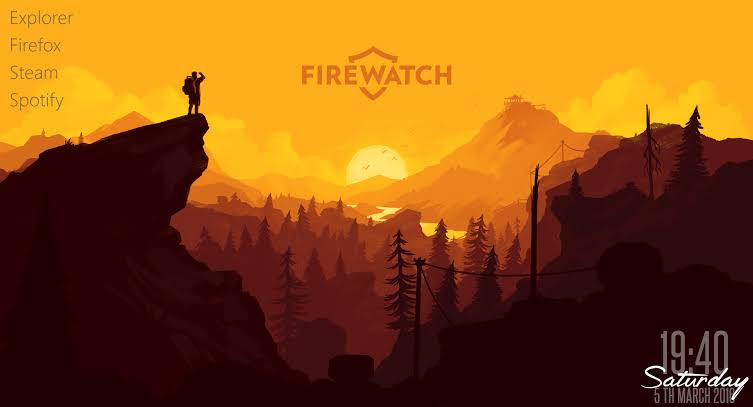
Set in 1989 against the backdrop of the Shoshone National Forest, Firewatch places you in the shoes of Henry, a man who takes a job as a fire lookout to escape the reality of his wife’s early-onset dementia. Your only connection to humanity is a handheld radio linked to Delilah, your supervisor stationed in a neighboring tower. The core of the game is built entirely around their conversations, using a reactive dialogue system that tracks your choices and delays.
                       [ Player Actions & Discoveries ]
                                      │
               ┌──────────────────────┴──────────────────────┐
               ▼                                             ▼
       [ Report Immediately ]                         [ Keep Secret ]
               │                                             │
               ▼                                             ▼
  Builds open trust; Delilah                     Creates tension; alters later
  offers contextual warnings.                    dialogue prompts and theories.
Armed with a physical map and a compass, you navigate rocky paths, clear brush, and explore sunlit canyons. As a strange conspiracy begins to take shape around your outposts, the vast beauty of the wilderness turns isolating. The game uses this natural setting to explore how loneliness can skew our perception of reality, building a brilliant dynamic between two flawed adults seeking escape.
3. SOMA
The Absolute Horror of Consciousness
Developer: Frictional Games
Platform Availability: PC, PlayStation 4, Xbox One
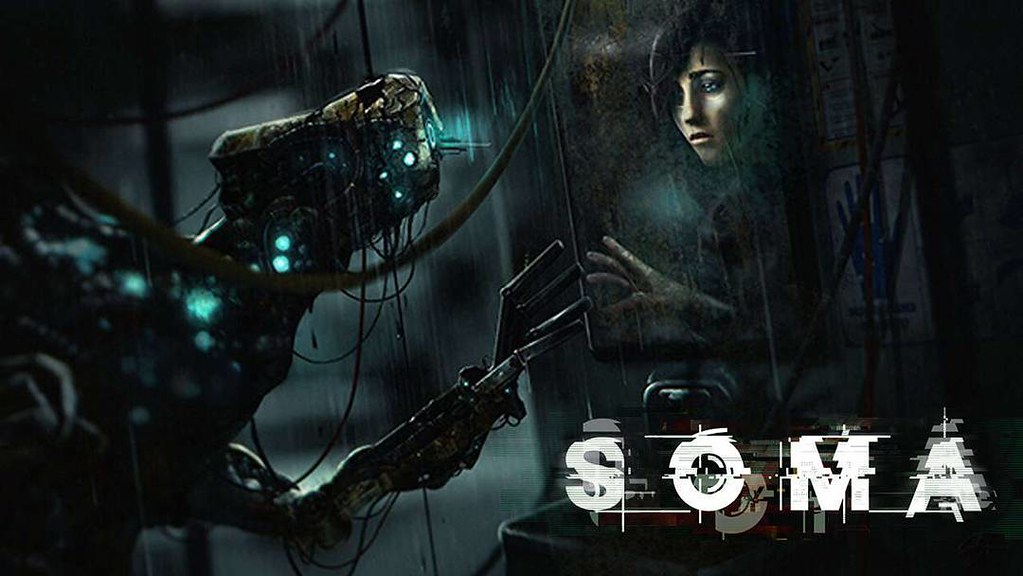
From the creators of Amnesia: The Dark Descent comes an exploration experience that swaps traditional jump scares for deep, existential dread. Following a strange medical procedure in Toronto, protagonist Simon Jarrett wakes up in PATHOS-II, a decaying underwater research facility built at the bottom of the Atlantic Ocean. The surface world has been destroyed by a comet, and the remaining machinery has begun to think, leak black fluid, and believe it is human.
                     [ Encounter Damaged Machine ]
                                   │
         ┌─────────────────────────┴─────────────────────────┐
         ▼                                                   ▼
[ Terminate Power Line ]                            [ Leave System Running ]
Reduces immediate suffering,                        Preserves the robot's delusion,
but shuts down facility grid.                       keeping it happy in its lie.
While the game features a few monsters you must avoid, its most terrifying moments occur during quiet exploration. You wander through flooded rooms, read personal emails of dead crew members, and interact with confused machines. SOMA forces you to make terrible choices regarding the nature of identity and continuity. It uses its setting to ask a haunting question: If your mind is copied exactly into a synthetic shell, what happens to the soul left behind?
2. Blue Prince
Drafting the Architecture of a Haunted Estate
Developer: Dogwood Gaming
Platform Availability: PC, Consoles
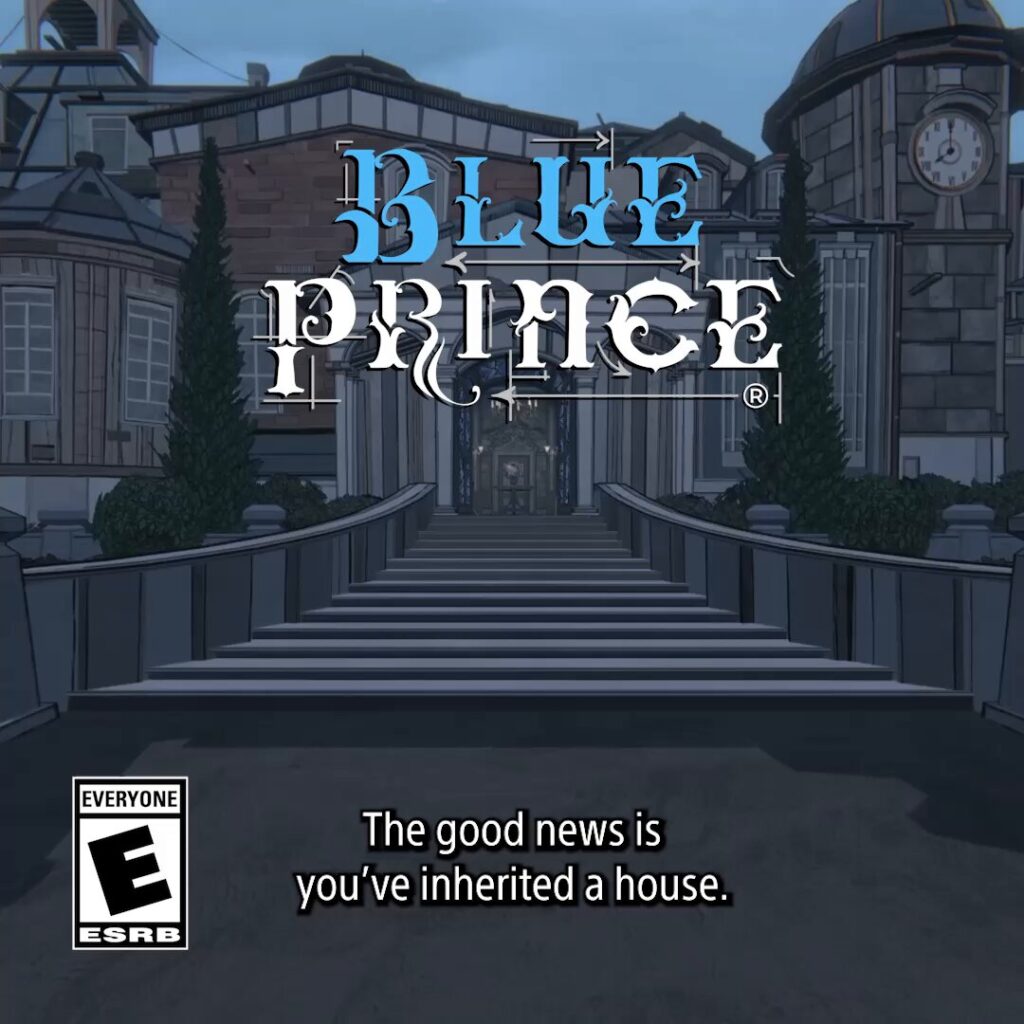
Blue Prince introduces a brilliant twist to the genre by combining first-person puzzle exploration with roguelike design elements. Inheriting Mt. Melancholy, a massive estate filled with family secrets, you must reach the 46th room to claim your inheritance. However, the mansion does not have a fixed layout. Every morning, you receive a handful of room blueprints, allowing you to choose what door leads where.
                   [ Step to Current Room Doorway ]
                                  │
         ┌────────────────────────┼────────────────────────┐
         ▼                        ▼                        ▼
 [ Draft: Library ]      [ Draft: Laboratory ]    [ Draft: Conservatory ]
 Costs: 2 Steps          Costs: 3 Steps           Costs: 1 Step
 Contains: Lore / Clues  Contains: Item Puzzle    Contains: Resource Restock
Every step you take through a doorway consumes resources, turning the act of navigation into a strategic challenge. A clue found in a study might unlock a lock box placed four rooms over, but if you run out of steps before planning a path back, the house resets, forcing you to draft a completely new layout. It is a brilliant design that turns the environment into a dynamic puzzle, challenging your orientation and deduction skills.
1. Outer Wilds
The Perfect Synthesis of Curiosity and Cosmic Progression
Developer: Mobius Digital
Platform Availability: PC, PlayStation 4/5, Xbox One/Series X/S, Nintendo Switch
Outer Wilds represents the pinnacle of first-person exploration because it relies entirely on player knowledge for progression. You are the newest astronaut for Outer Wilds Ventures, a modest space program tasked with exploring a dynamic solar system. Exactly 22 minutes into your journey, the local star goes supernova, destroying everything, and you wake up right back at the launchpad, trapped in a time loop.
                           [ Launch Ship ]
                                  │
         ┌────────────────────────┼────────────────────────┐
         ▼                        ▼                        ▼
 [ Giants Deep ]           [ Brittle Hollow ]       [ The Hourglass Twins ]
 Dive past cyclones to    Navigate a collapsing    Race against rising sands
 reach ocean depths.      crust around a black hole. to uncover ancient ruins.
                                  │
                                  ▼
                    [ Ship Log Information Update ]
                                  │
                                  ▼
            [ Apply New Knowledge on Subsequent Time Loop ]
There are no stat upgrades, unlockable tools, or quest markers. The only thing you carry between loops is what you learn. Your ship’s computer automatically organizes these clues into a web of rumors. Whether navigating the shifting sands of the Hourglass Twins or dodging dangerous hazards inside Dark Bramble, your progression is fueled entirely by your own curiosity. It is a profound masterpiece that uses its mechanics to explore impermanence, discovery, and the joy of understanding a universe larger than yourself.
Troubleshooting the Genre: Overcoming common Design Pitfalls
First-person exploration games live and die by their pacing and mechanical integration. When a game fails to balance narrative weight with player movement, it can easily alienate players.
What to Do When the “Walking Simulator” Pacing Drags
- The Issue: The narrative feels disconnected from the movement, leaving you walking through empty corridors with no clear direction.
- The Fix: Lean heavily into your in-game logbooks or environmental maps (such as the Ship Log in Outer Wilds or the Ledger in Obra Dinn). These tools highlight missing links in your logic. If a location feels empty, look closer at the verticality of the space or check hidden compartments beneath furniture.
Managing the Spatial Confusion of Roguelike Layouts
- The Issue: In dynamic games like Blue Prince, running out of resources or getting lost in your own layout can stall your progress.
- The Fix: Keep a physical notebook beside your setup. Digital maps track rooms, but they rarely capture the subtle details found in journals or wall art. Sketching out connections between items and rooms ensures you waste fewer steps on subsequent runs.
Frequently Asked Questions
What exactly defines a “walking simulator,” and is it a negative term?
The term was originally coined as a criticism for games that lacked traditional fail states, combat loops, and mechanical complexity. However, the indie community has reclaimed it. Today, it describes games that prioritize narrative atmosphere, environmental storytelling, and emotional resonance over combat mechanics.
Can games without combat still offer high tension and stakes?
Absolutely. Games like P.T. and SOMA generate intense psychological terror through sound design and architectural manipulation, making you feel far more vulnerable than a traditional horror game where you can fight back. The stakes shift from survival to preservation of sanity and identity.
Why do so many exploration games use time loops or recursive mechanics?
Time loops provide a smart narrative framework for budget-conscious indie studios. By reusing assets and environments across loops, developers can focus on deepening player knowledge and introducing environmental changes, transforming a single physical area into an evolving puzzle.
Are these games suitable for players who struggle with traditional 3D navigation?
Many titles in this category offer adjustable comfort settings, including field-of-view sliders, toggleable reticles to prevent motion sickness, and custom movement speeds. Because they lack twitch-reflex combat sequences, they are often much more accessible to newcomers than traditional first-person shooters.