Shiva in Record of Ragnarok: Character Profile, Roles, and Appearance Journey
Introduction to Shiva in Record of Ragnarok
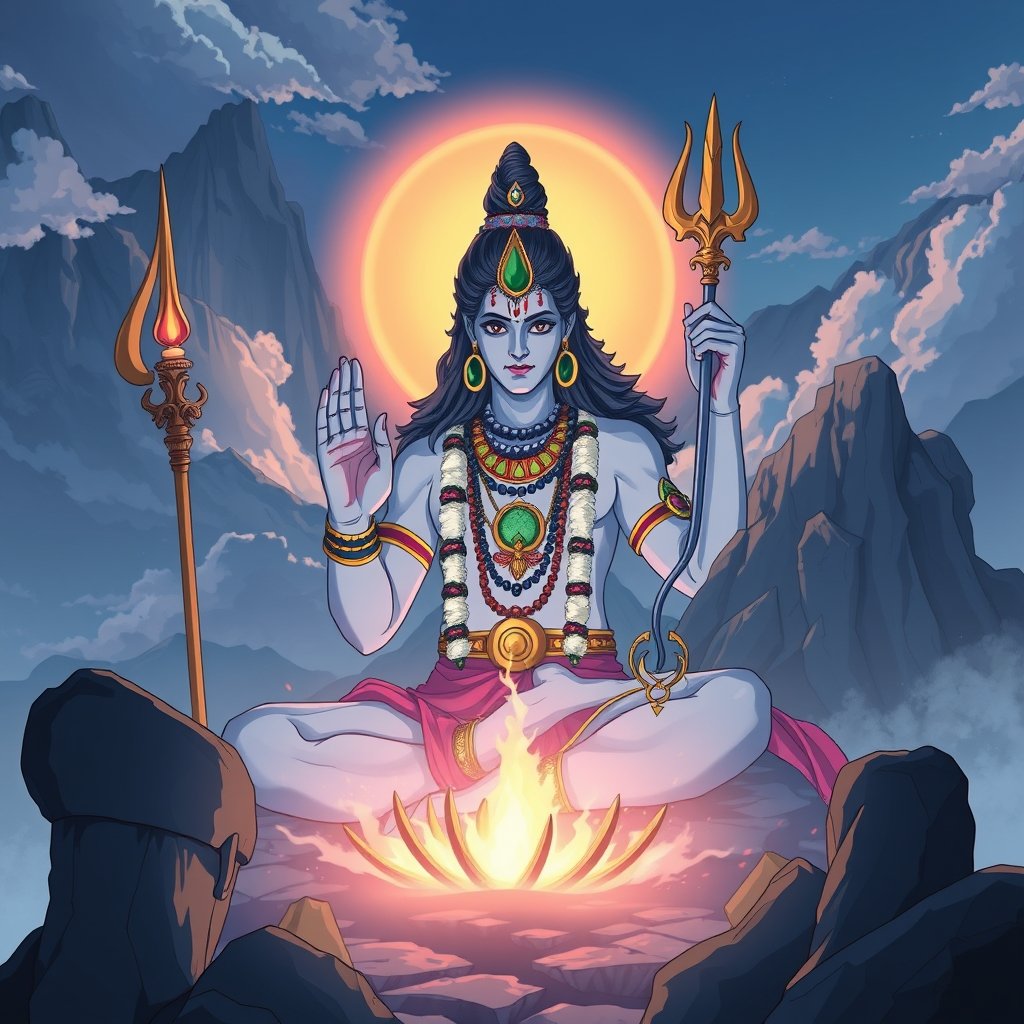
In the realm of anime adaptations featuring mythological and divine figures, few characters command as prominent a conceptual position as Shiva in the series Record of Ragnarok (also known as Shuumatsu no Valkyrie). Recognized within the narrative world as the God of Destruction and distinguished as one of the principal deities of Hinduism, Shiva represents a major divine force within the global pantheon assembled in the story. Across multiple seasons and related animation projects, Shiva transitions through various narrative tiers, serving as a supporting presence, a central focus, and a background figure depending on the specific arc and installment.
Tracking data from global anime databases highlights Shiva’s steady standing among viewers, recording a total of 380 user favorites on his character profile. This metric reflects a sustained audience interest in his role within the animated franchise. Understanding Shiva’s trajectory requires examining his designated status as a Hindu deity, his shifting prominence across the main animated seasons, and his inclusion in auxiliary mini anime releases.
Character Identity and Divine Status
Shiva’s baseline identity in the series is directly grounded in traditional mythology, establishing him as the God of Destruction and one of the primary deities of Hinduism. Within the narrative framework of Record of Ragnarok, gods from diverse mythologies gather to decide the fate of humanity and engage in monumental conflicts against representatives of mankind.
As a principal deity, Shiva occupies a position of substantial authority and reverence among the divine factions. His classification as the God of Destruction underscores his fundamental attribute within the cosmological hierarchy. Rather than being portrayed merely as a secondary participant, his title inherently conveys immense divine authority within the assembly. The series utilizes this established mythological status to position Shiva as a pivotal figure whose decisions and actions carry significant weight for both divine and mortal realms.
Chronological Progression Across Anime Appearances
Shiva’s journey across the animated series is defined by a dynamic progression in character focus and narrative prominence. Rather than remaining static in a single role, his involvement evolves through distinct phases across seasons and spin-off material.
Record of Ragnarok (Season 1): Supporting Role
In the initial installment, Record of Ragnarok, Shiva is introduced in a supporting capacity. During this first season, he functions as part of the broader council of deities overseeing the grand tournament between gods and humans. His supporting role allows the narrative to establish his distinct presence and interactions with other gods without placing him in the central spotlight of the early combat rounds.
This supporting position serves a structural purpose in the anime’s pacing. By introducing high-ranking deities like Shiva early in the narrative, the series builds anticipation for their eventual active participation. Shiva’s presence in the divine gallery reinforces the scale of the conflict and sets the stage for his expanded involvement in subsequent installments.
Record of Ragnarok II: Transition to Main Character Status
The second season, Record of Ragnarok II, marks a major milestone in Shiva’s character arc. In this installment, his status upgrades from a supporting character to a main character. As a main focus of the season, Shiva steps into the foreground of the narrative, receiving extensive screen time, detailed character focus, and direct involvement in the core events of the series.
This shift to a main role provides the platform to explore Shiva’s individual journey, his divine responsibilities, and his personal stakes in the ongoing tournament. The narrative emphasis in Season II allows audiences to experience his character depth firsthand, cementing his status as one of the most prominent gods portrayed in the animated adaptation.
Record of Ragnarok III: Background Presence
Following his central role in the second season, Shiva’s role evolves once again in Record of Ragnarok III, where he appears in a background role. In anime storytelling with large ensemble casts, characters who receive major focus in one arc often shift to background or reactive roles in subsequent arcs to allow other combatants and deities to take center stage.
In this background capacity during the third season, Shiva remains part of the ongoing world, observing the continuing progression of the tournament. His ongoing presence ensures visual and narrative continuity, reminding viewers of his established position within the divine assembly while allowing the overall plot to explore new matchups and character dynamics.
Shuumatsu no Valkyrie II Mini Anime: Supporting Role
In addition to the main TV anime seasons, Shiva also appears in the auxiliary project Shuumatsu no Valkyrie II Mini Anime. In this short-form animated content, he is featured in a supporting role. These mini anime episodes provide complementary moments that expand the franchise context, allowing fans to see Shiva in different settings alongside other members of the divine cast.
Analysis of Powers, Relationships, and Narrative Boundaries
When examining Shiva’s powers, skills, and personal relationships within the documented record, it is essential to distinguish between his official structural status and specific detailed plot elements.
- Powers and Divine Status: Officially recognized as the God of Destruction, Shiva’s supreme power stems from his divine nature and his standing as a principal deity in Hinduism. While specific combat techniques or move names belong to detailed episodic choreography, his core power identity is defined by his destruction-oriented divine authority.
- Interpersonal Relationships: Within the animated framework, Shiva interacts with fellow deities across the divine council. As a principal Hindu god, his interactions reflect both respect from peers and his own distinct demeanor among high-ranking celestial figures.
- Narrative Progression: Shiva’s progression from a supporting figure in Season I, to a main character in Season II, and subsequently to a background figure in Season III demonstrates a flexible character function designed to serve the broader structure of an ensemble tournament anime.
Fan Reception and Profile Popularity
Shiva’s prominence in the Record of Ragnarok franchise is mirrored in community metrics. On the anime platform AniList, Shiva has accumulated 380 user favorites. This quantitative engagement metric underscores his popularity among viewers who follow the series globally.
The combination of his mythological weight as the God of Destruction, his major focal point during the second season, and his recurring appearances across mini anime shorts has established Shiva as one of the standout divine figures in the Record of Ragnarok anime universe.
Who is Shiva in Record of Ragnarok?
Shiva is a character in the Record of Ragnarok anime franchise, identified as the God of Destruction and one of the principal deities of Hinduism.
What role does Shiva play in Record of Ragnarok II?
In Record of Ragnarok II, Shiva serves in a main role, stepping into the central focus of the narrative.
What is Shiva's role across the different Record of Ragnarok anime entries?
Shiva appears as a supporting character in Record of Ragnarok, a main character in Record of Ragnarok II, a background character in Record of Ragnarok III, and a supporting character in the Shuumatsu no Valkyrie II Mini Anime.